By Joe
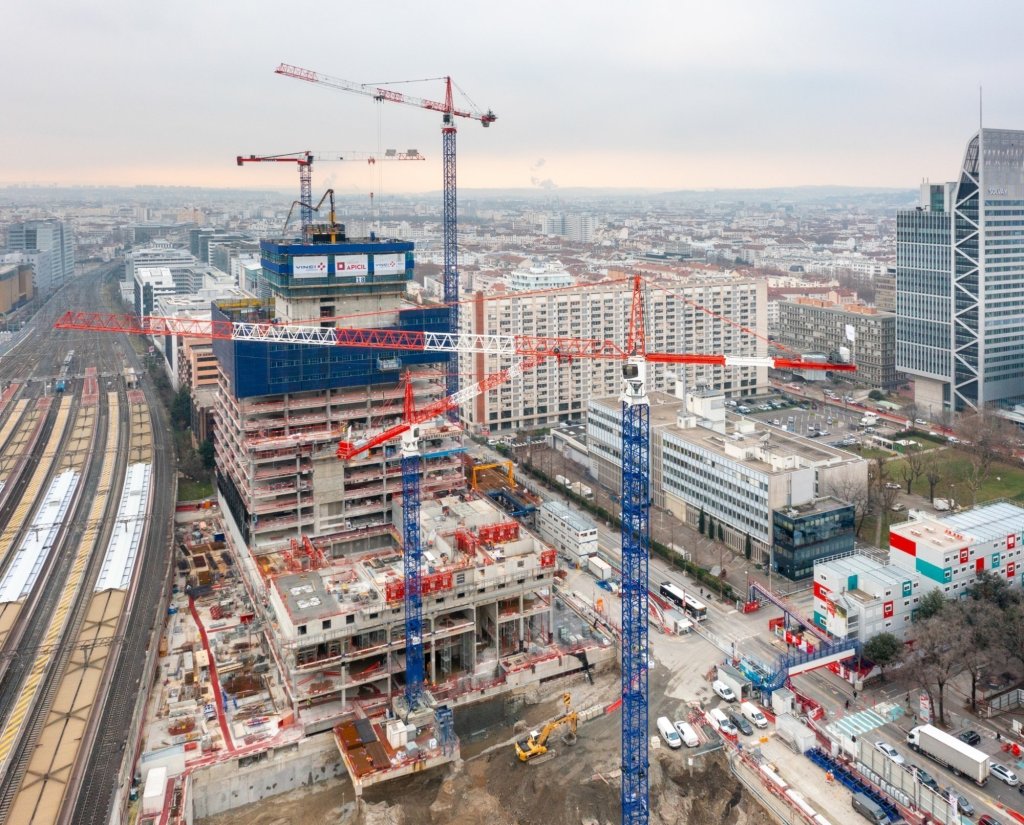
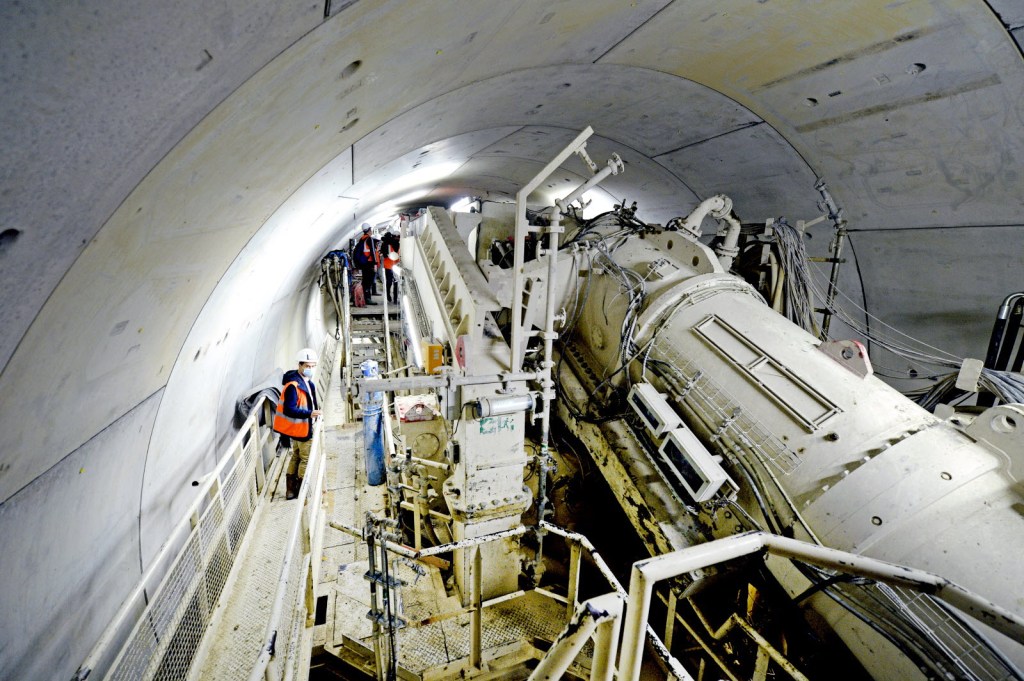
photo: Liebherr
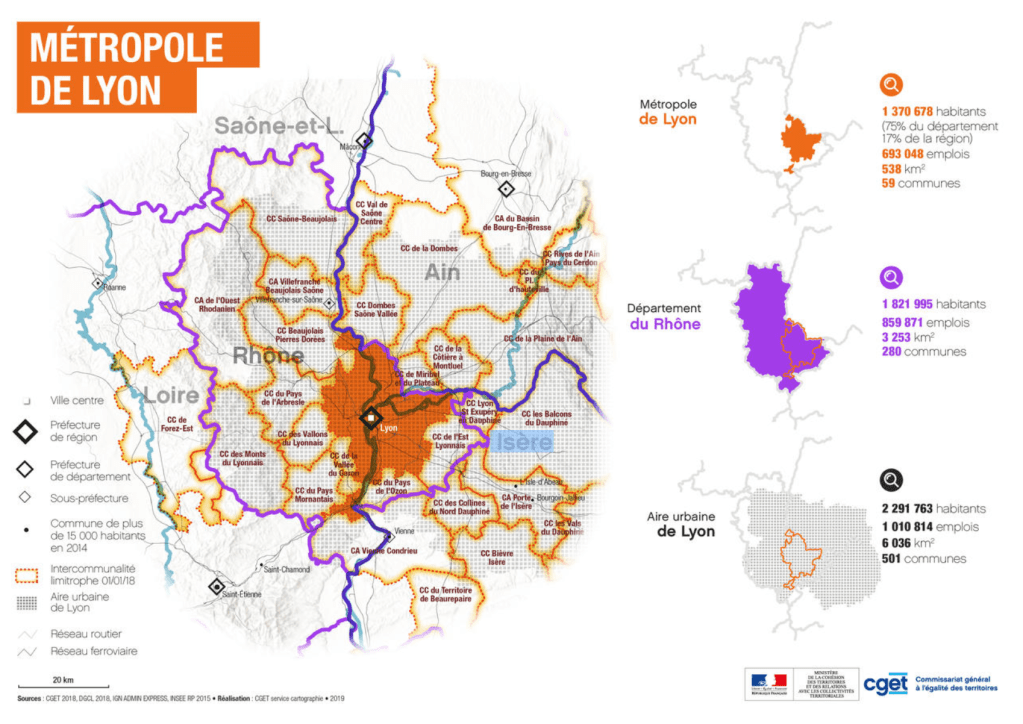
We have been living in Lyon for almost three years now, and for all this time there has been one constant: work sites throughout the 58 municipalities that constitute the Métropole de Lyon. (2021 population: 1.4 million in 650,000 households.)1
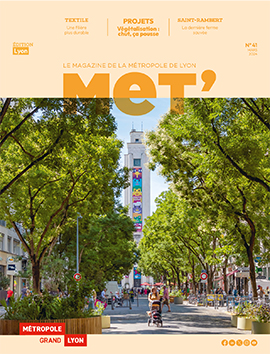
Every month, the Métropole de Lyon distributes a magazine with news about what’s going on in the city. Unlike many such magazines put out by municipalities elsewhere in the world, this magazine is full of fascinating information about how the city is spending its €4 billion ($4.37 billion) annual budget, and I read it from cover to cover. Here’s a link to browse the latest issue: MeT’ Magazine.
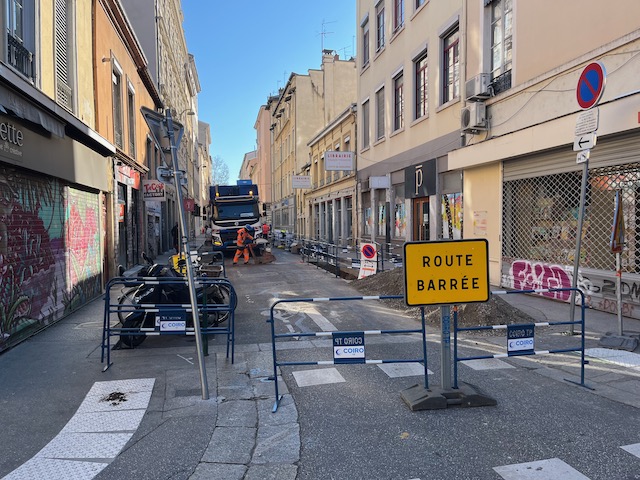
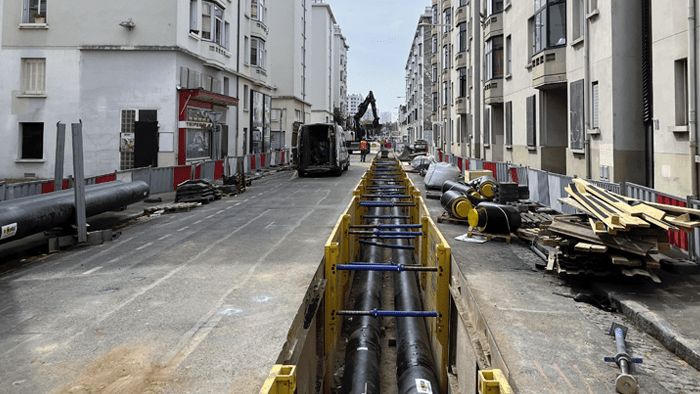
The streets are constantly being dug up to replace water lines, electrical lines, sewer lines, communication lines, and so on. For the internet, the entire region is on fiber optics. Power lines are all underground, even in the surrounding country side.
The network of buildings connected to the municipal central heating and cooling plant is constantly being extended. It currently provides heating, cooling, and hot water to 45,000 households and this is being expanded to 130,000 households.2
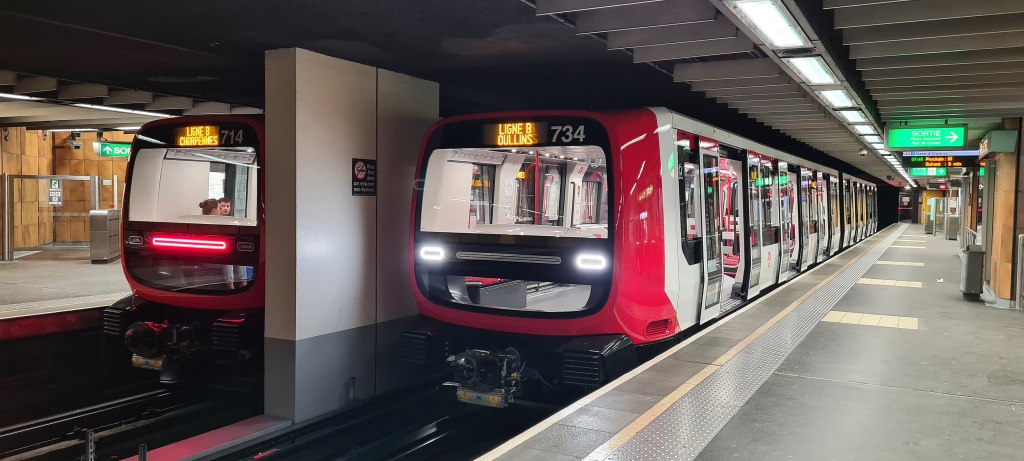
The Lyon metro system was opened in 1974. It now comprises four lines with 42 stations (plus two funicular lines up Fourvière), and carries 750,000 passengers per day on average. The extension of line B to Lyon’s huge Hôpital Lyon Sud (which Barbara and I know all too well), was opened last fall. Because the Lyon Métro is relatively new compared to other cities, the cars are wider than is usual. Two of the lines are fully automatic (no drivers). The cars are always spotlessly clean. During peak hours the trains come every two minutes. Paper tickets were done away with last month; all travel on the TCL (Lyon public transport network) is now paid for with contactless cards, either a credit card or a TCL card. The cost is €2 for up to an hour on all modes: bus, tramway, metro, funicular.
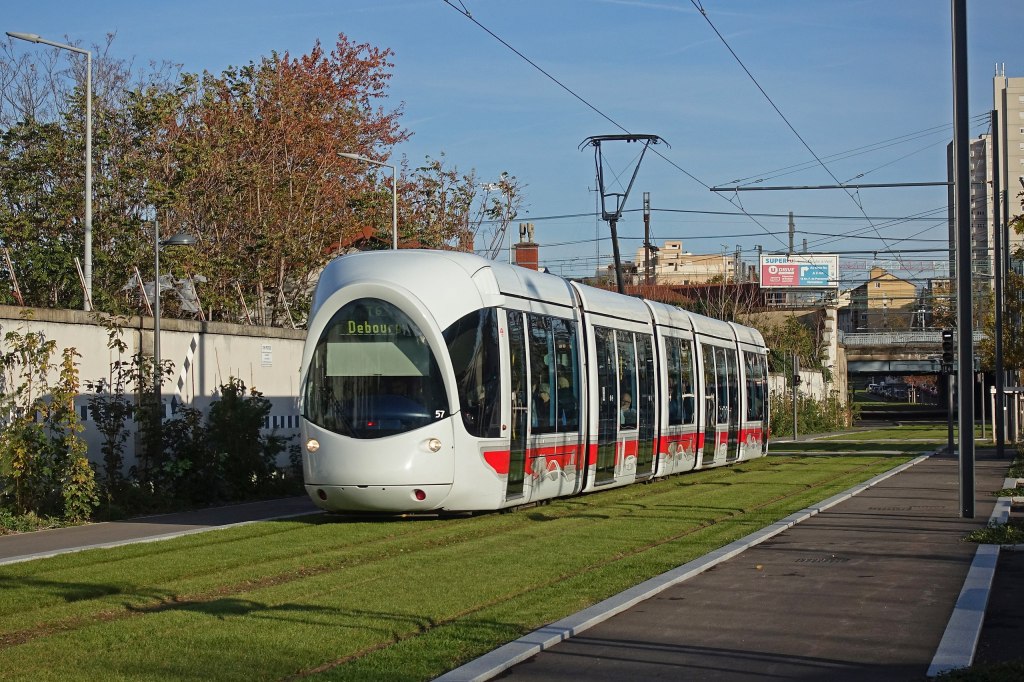
It’s a similar story with the streetcars (“tramways” in French): There are eight lines totaling 100 km, and they are adding two more.
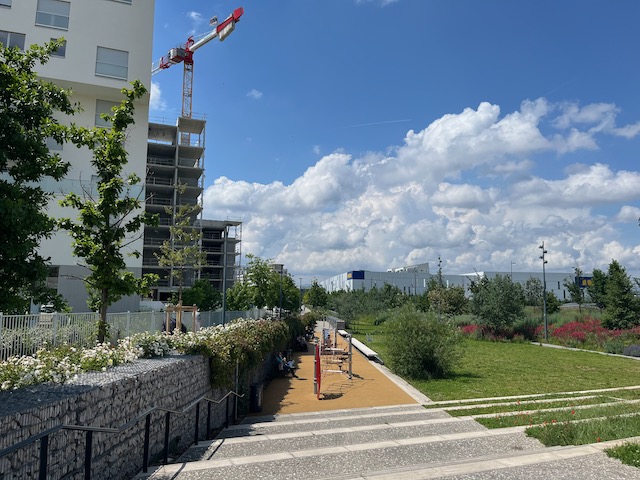
There are new apartment buildings going up everywhere.
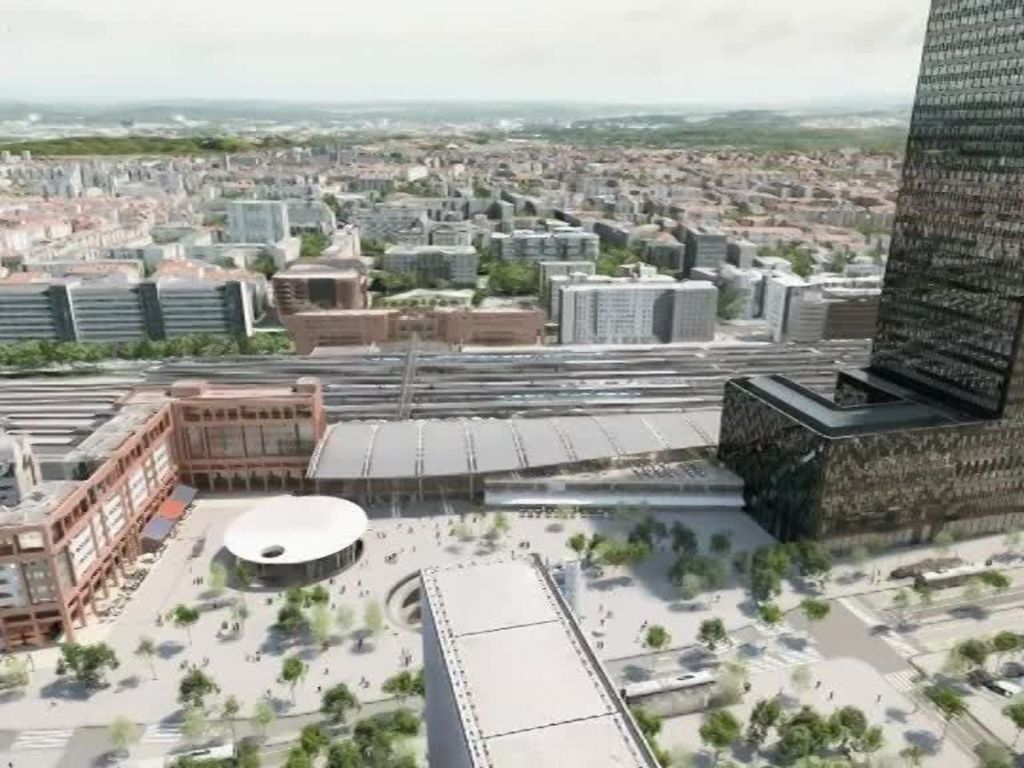
Lyon has six train stations: Lyon-Part-Dieu, Lyon-Perrache, Lyon-Vaise, Lyon-Saint-Paul, Lyon-Jean-Macé, and Lyon-Gorge-de-Loup. Since 2017, Lyon-Part-Dieu, the largest, has been undergoing a massive renovation that will be completed this summer.
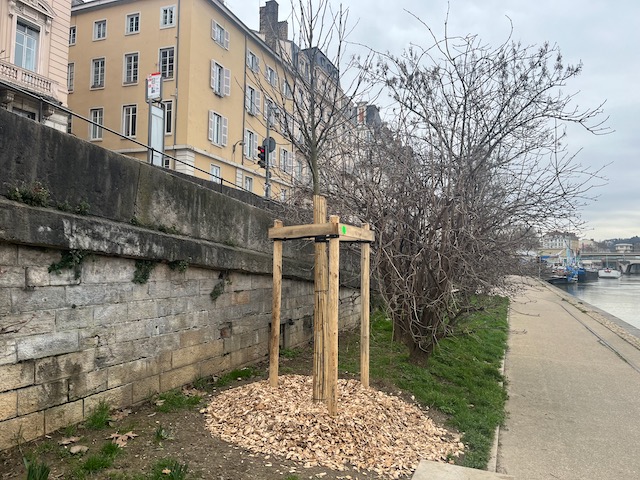
New Plantings: There are new plantings of trees and drought-resistant and insect-friendly plants throughout — 56,000 for 2024!
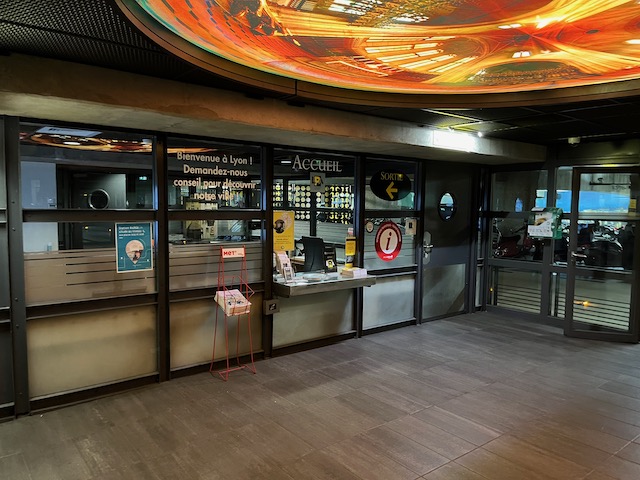
Parking: Almost all of the city’s parking lots have been placed underground. Most of them are heated, clean, well-lit, and have an office/control room staffed 16 hours a day. The floors are coated with acrylic garage-floor paint. Yes, parking is expensive in Lyon.
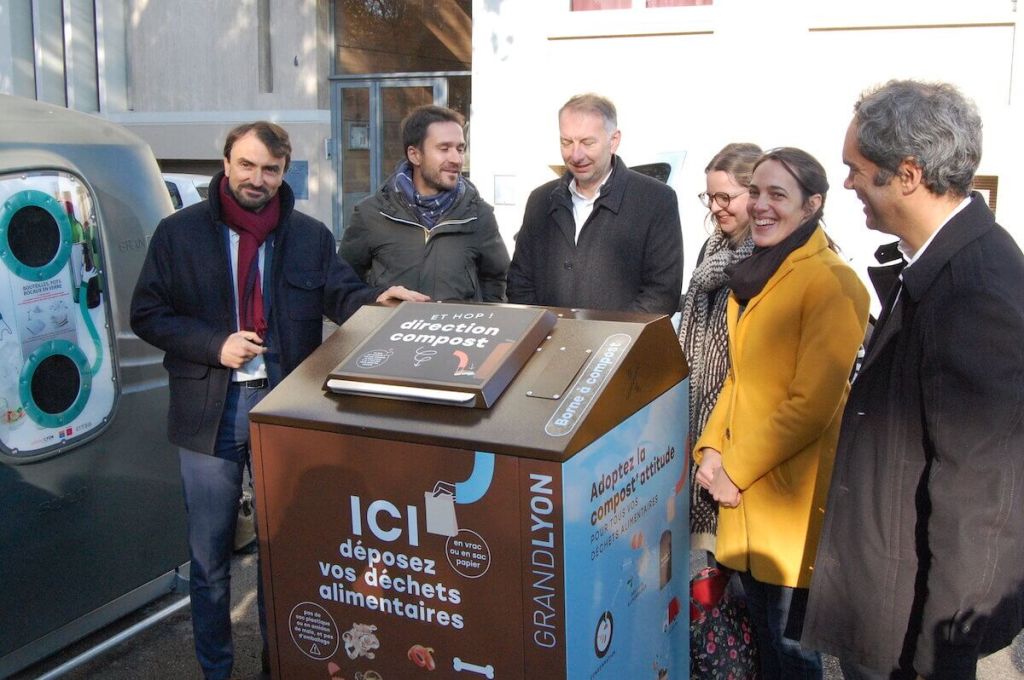
Compost bins: A few days ago, a young man came to our door delivering a stack of paper bags for composting, because our area (Lyon’s 5th arrondissement) will be the latest to have compost bins installed everywhere. A total of 1,300 bins will be installed.
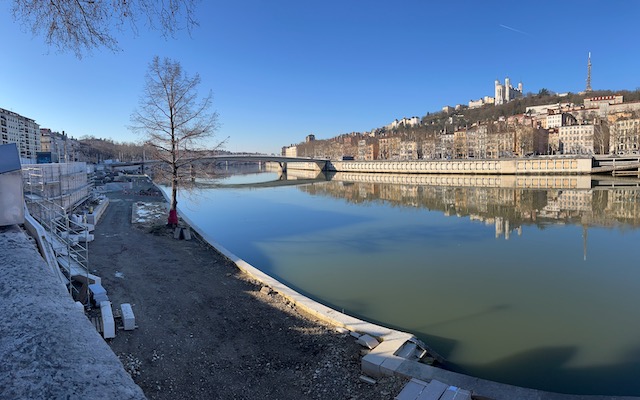
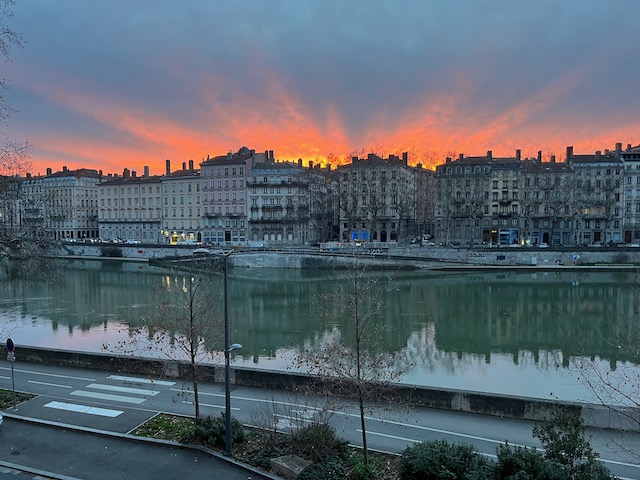
River banks: The banks of both the Rhône and the Saône have undergone huge rebuilding projects for the last twenty years. Formerly they were ugly industrial sites and parking lots, and now they have been turned into delightful pedestrian and bike paths, with cafés, restaurants, river cruises, offices, etc.
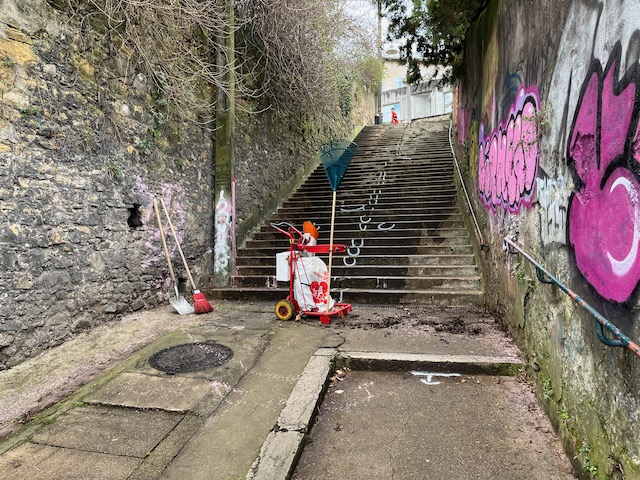
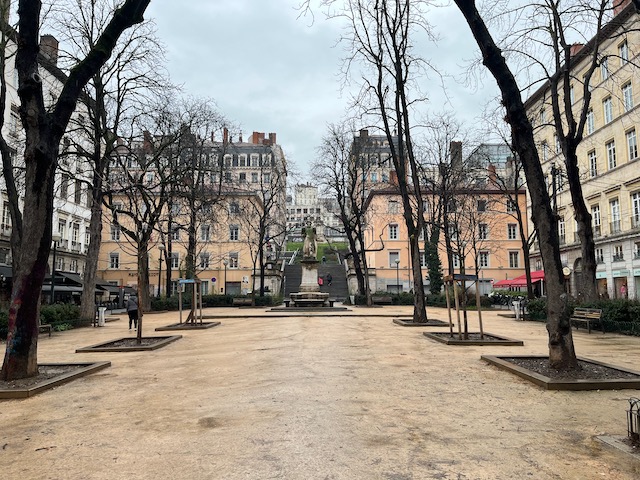
Cleanest cities: Lyon is without doubt the cleanest city I have ever spent any time in, thanks to an army of street sweepers, both human and mechanical. One almost never sees any trash! I can only imagine the cost …
Electrification of service vehicles: More and more service vehicles are being replaced by electric vehicles — city vehicles, delivery vehicles, maintenance vehicles, contractor vans, buses, etc. A couple of days ago I was passed by an electric garbage truck. It was completely silent!
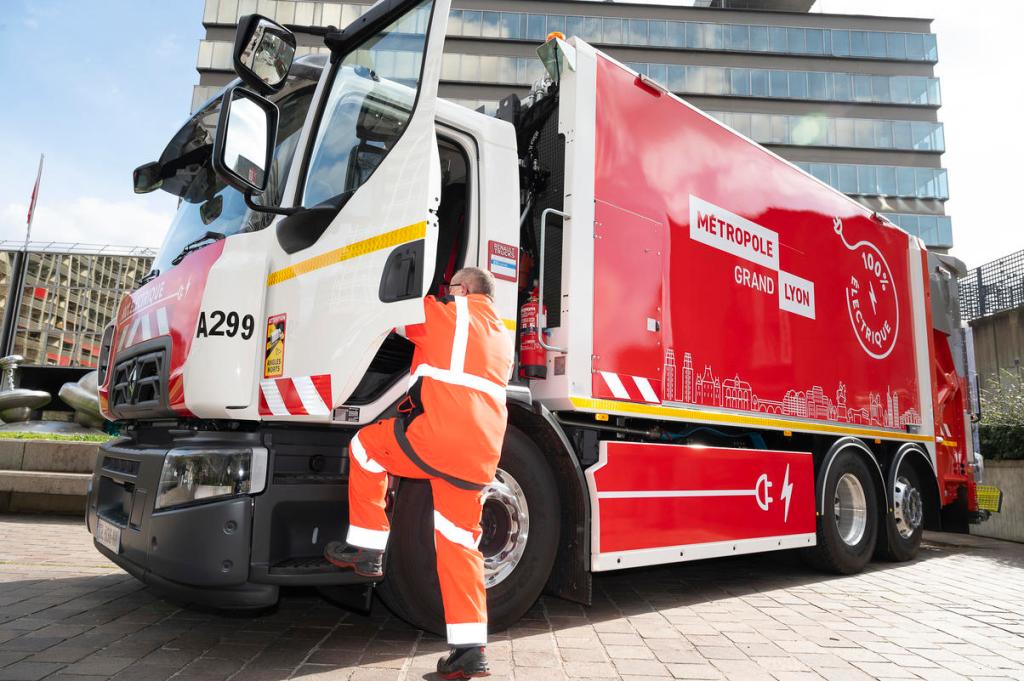
Photo: Métropole de Lyon
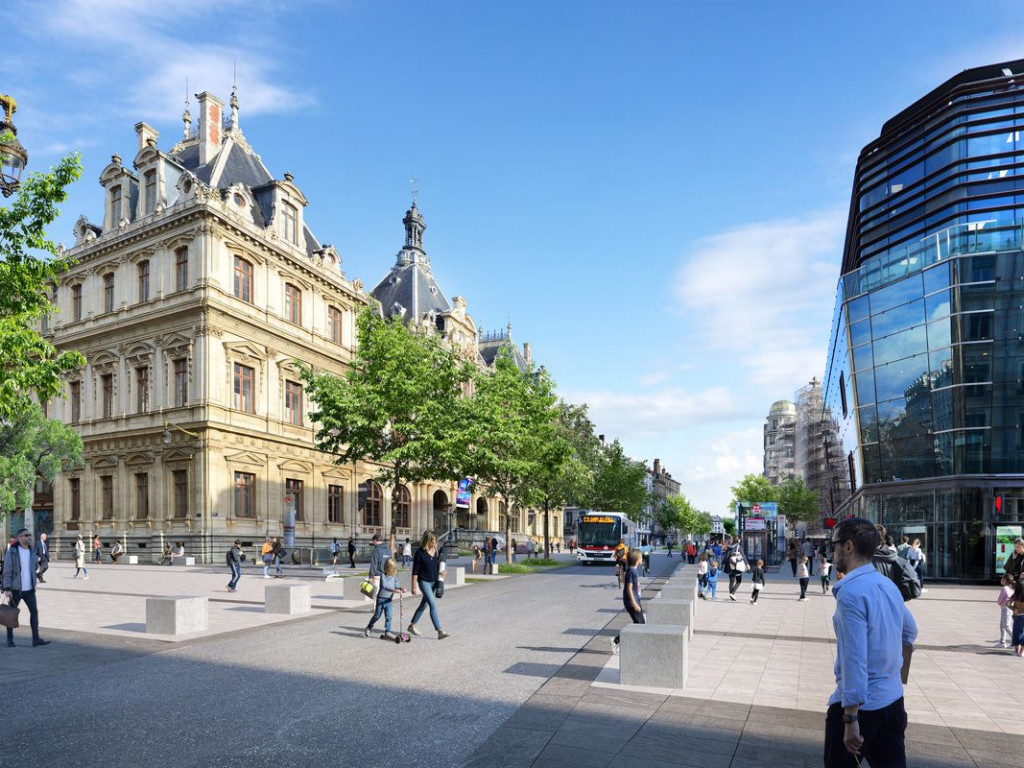
Pedestrian and bike walkways: City streets are being converted to pedestrian and bike only, or are being made into one-way streets with bike lanes. There will be 250 km of bike paths by 2026, 330 km by 2030.
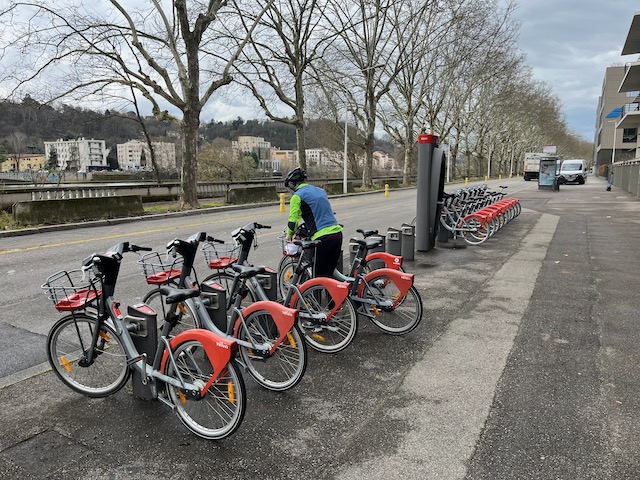
City Bikes: The Vélo’V system of bike sharing, started in 2005, has 5,000 bikes available in 428 locations throughout the Métropole. The annual subscription is €31 ($35) for unlimited rides up to 45 minutes each. If one is going to exceed 45 minutes, one can easily find a station to check the bike in and out, starting the clock again. The bikes are rather heavy three-speeds, but very robust.
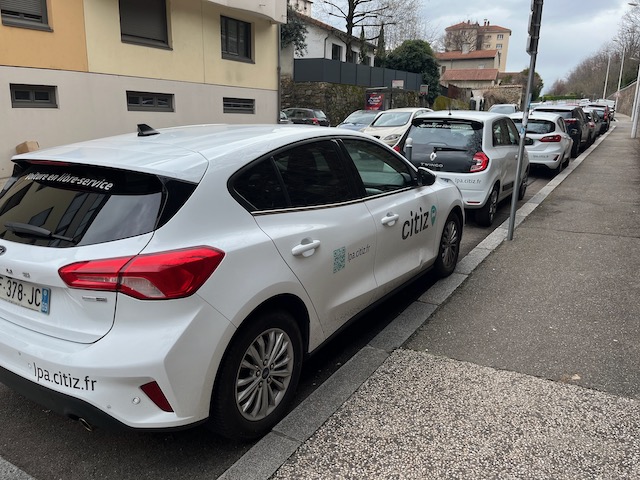
Car sharing: Lyon is one of the 190 French cities participating in the Citiz car-sharing service, with 400 cars of varying sizes, including minivans, parked all over the city. There is a €16 ($17.50) monthly fee for subscribers, and users are charged per km and per hour. Fuel and insurance is included. In general the cost works out to about 2/3 that of a rental car, plus it’s much less hassle. The underground parking garage five minutes walk from our apartment has three Citiz cars. There is a very user-friendly app and web site to reserve a vehicle.
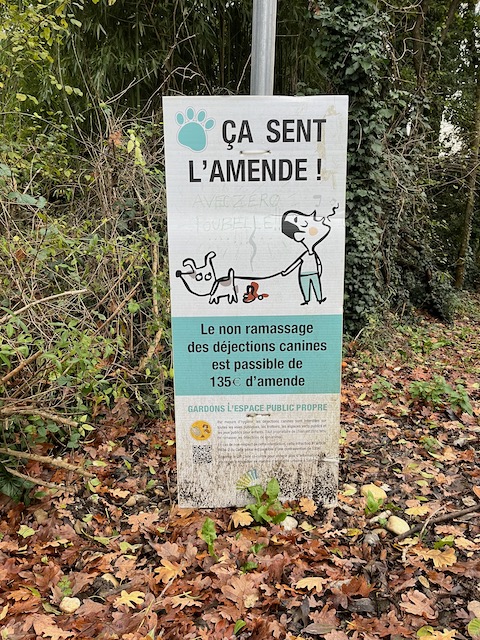
What else is needed: There are three areas where Lyon needs to devote more attention — getting people to clean up after their dogs, cracking down on loud motorcycles and scooters, and getting tough with taggers.
 Barbara and Joe Abroad