By Joe
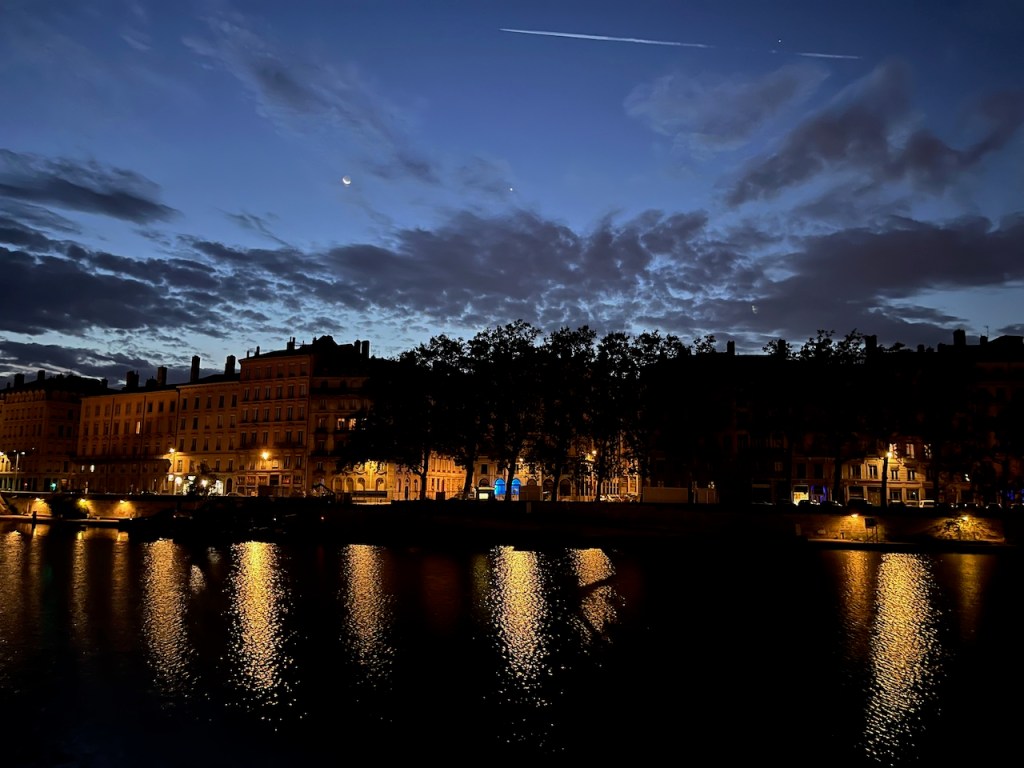
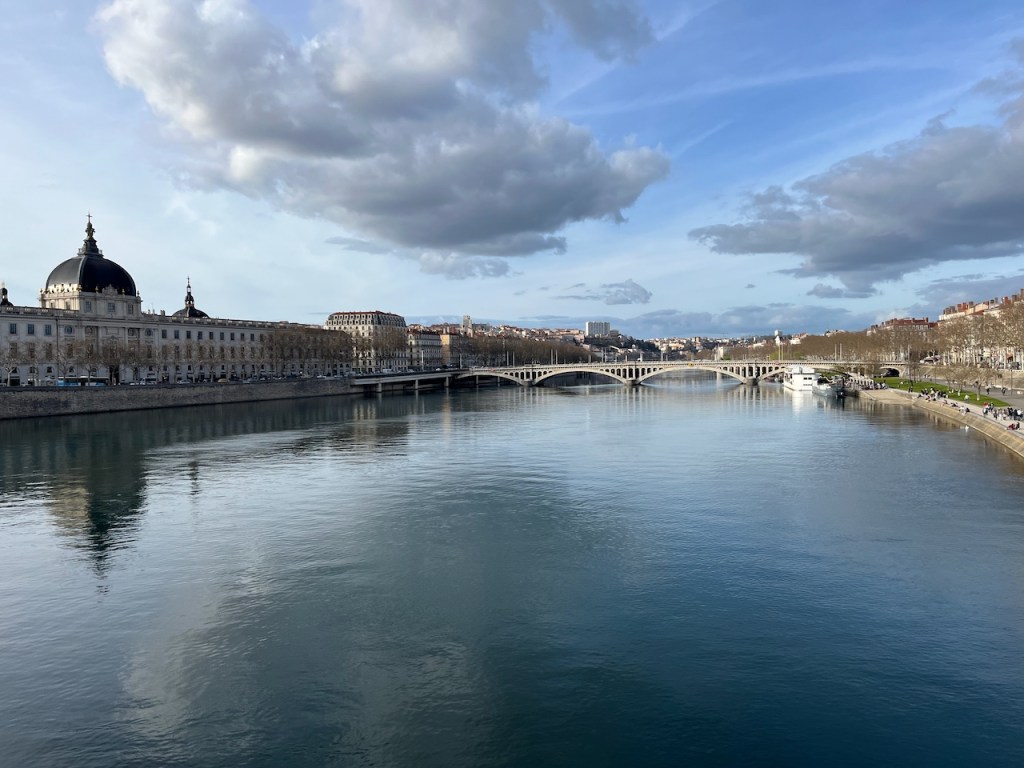
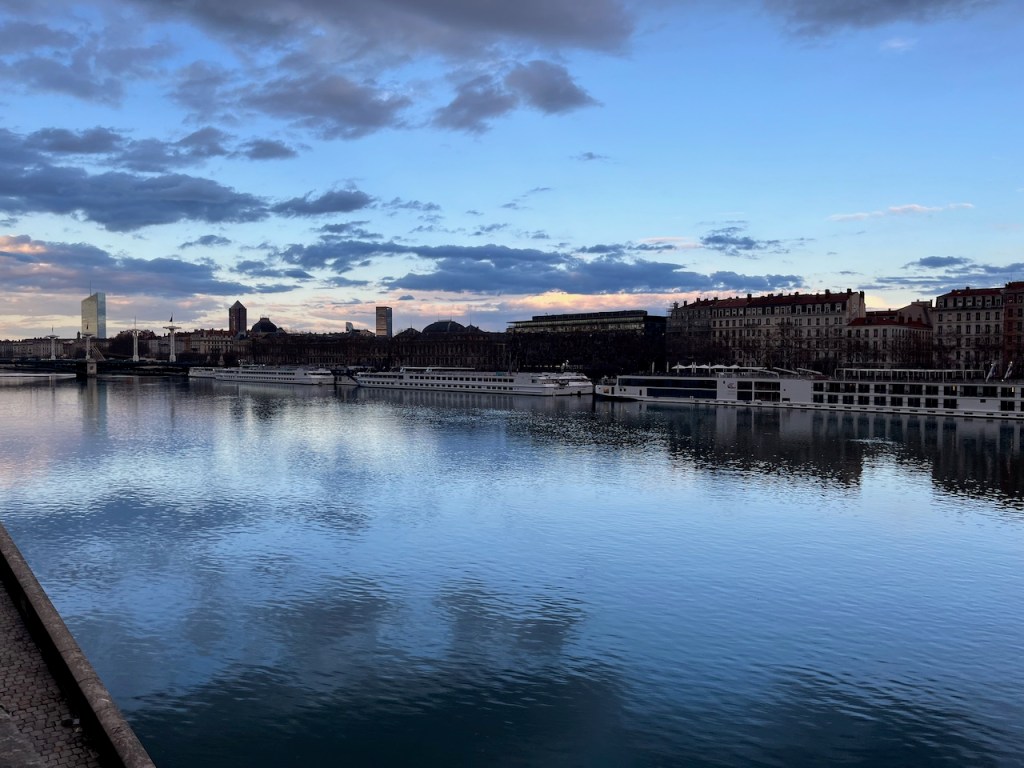
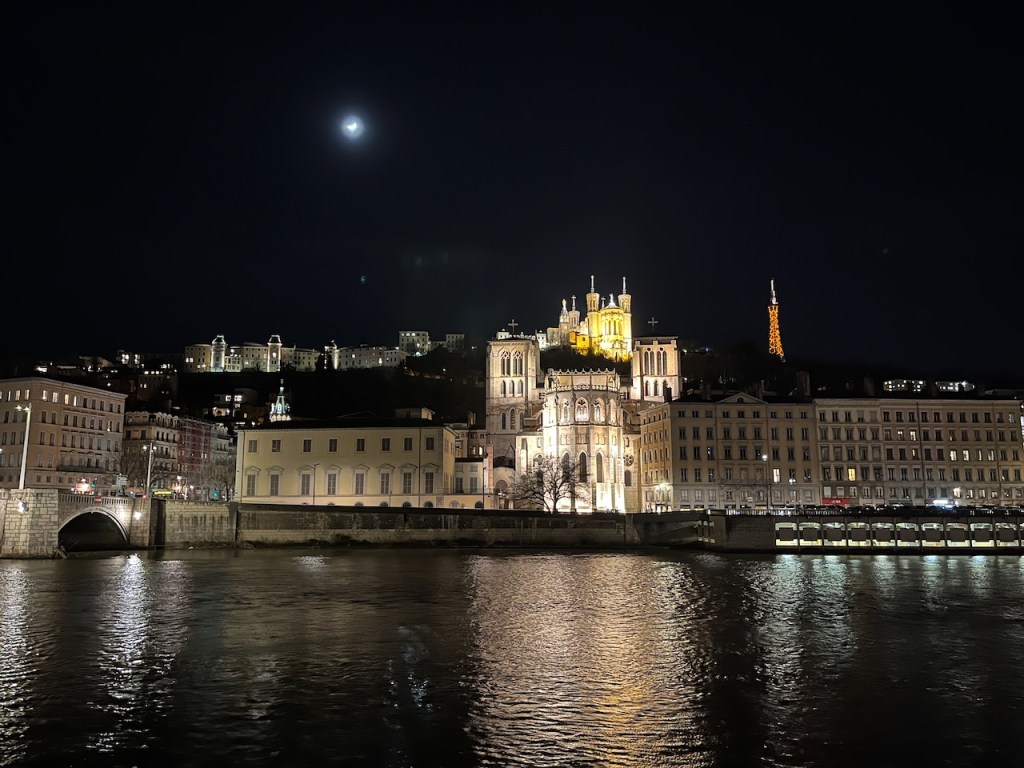
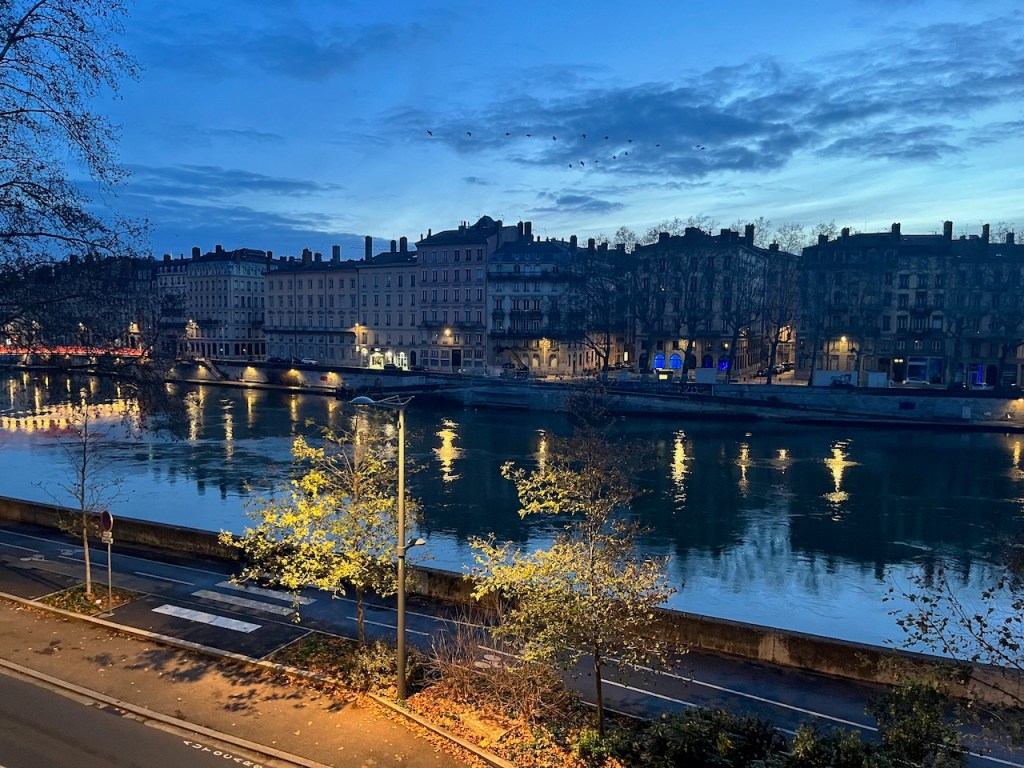
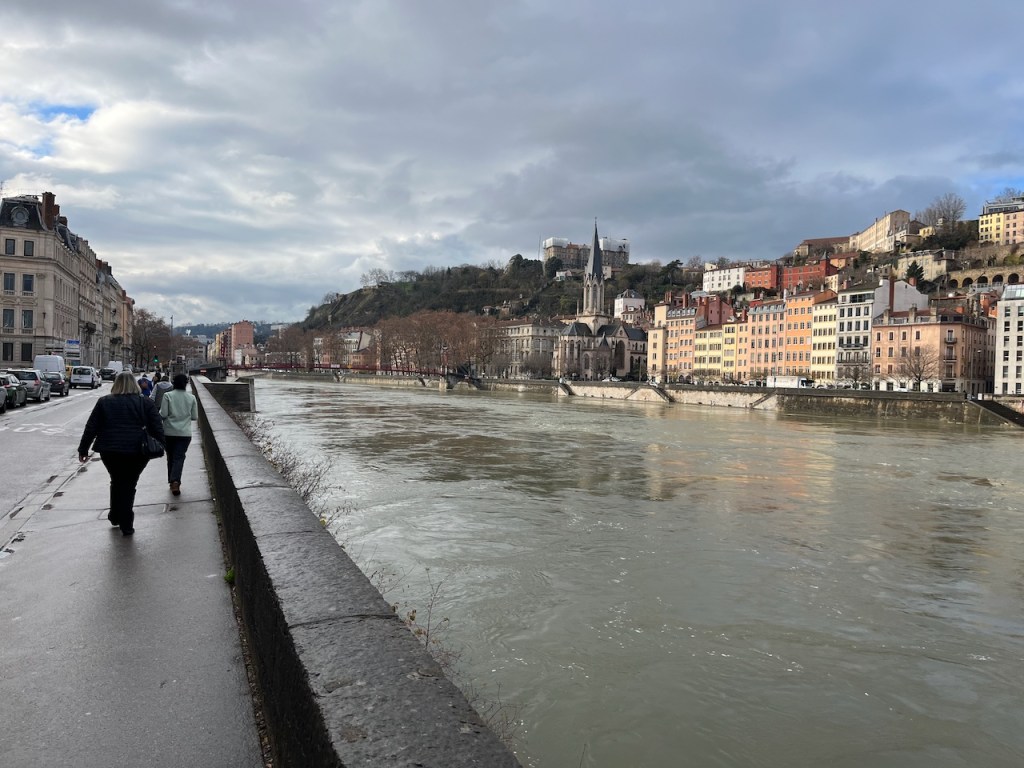
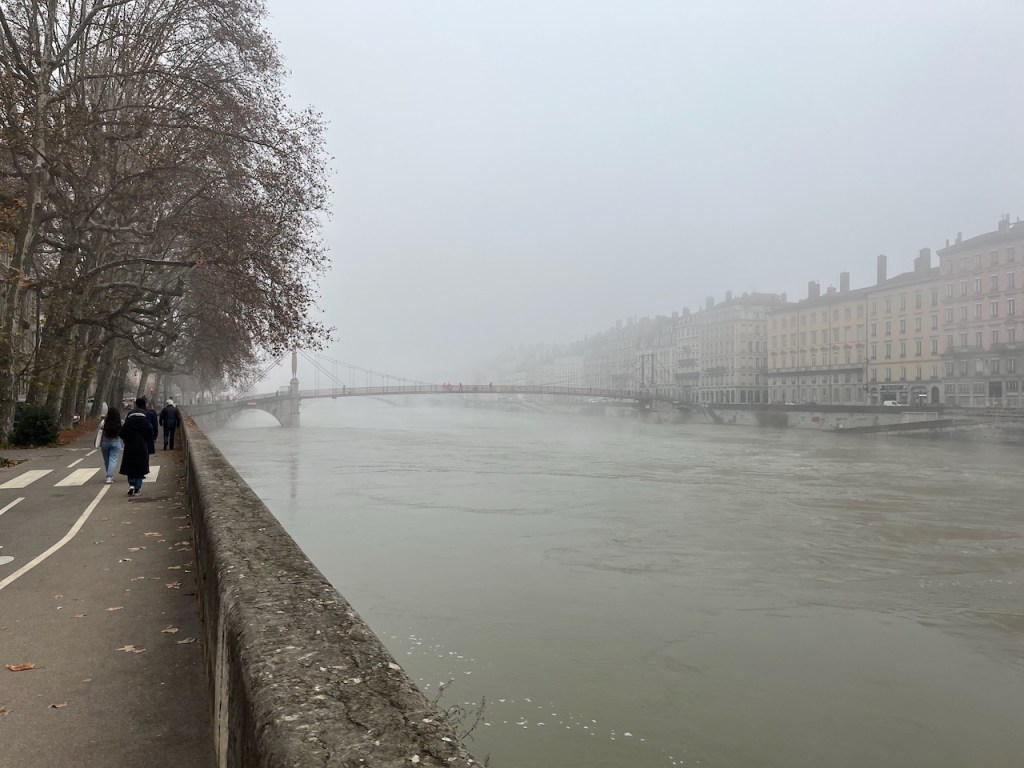
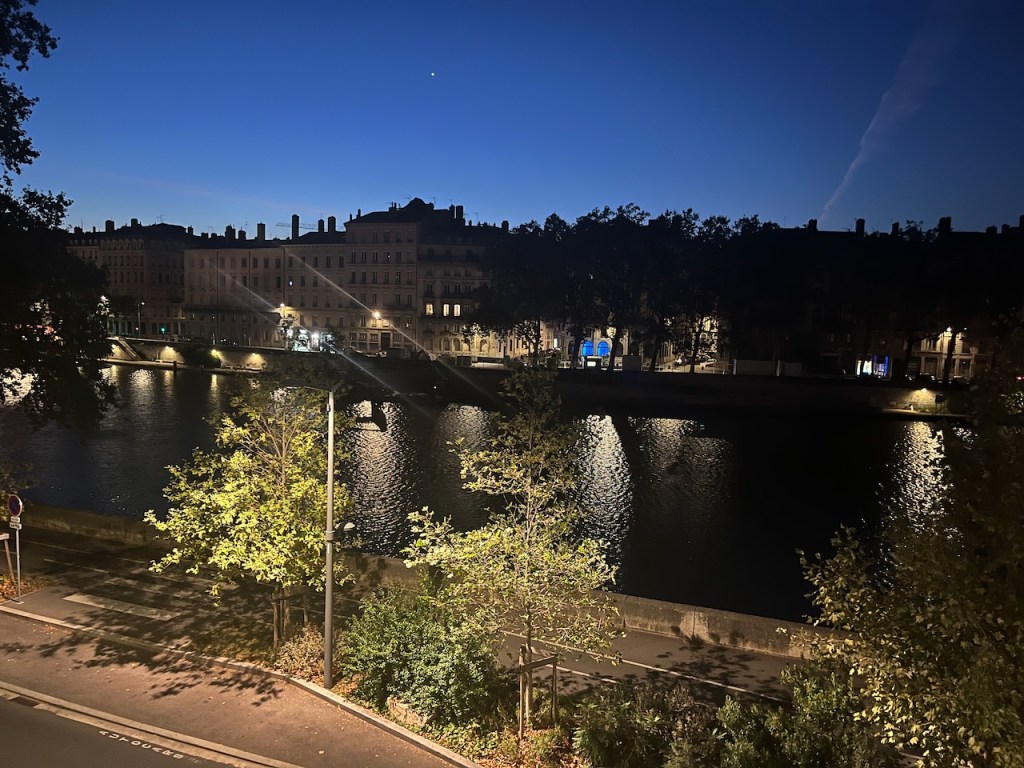
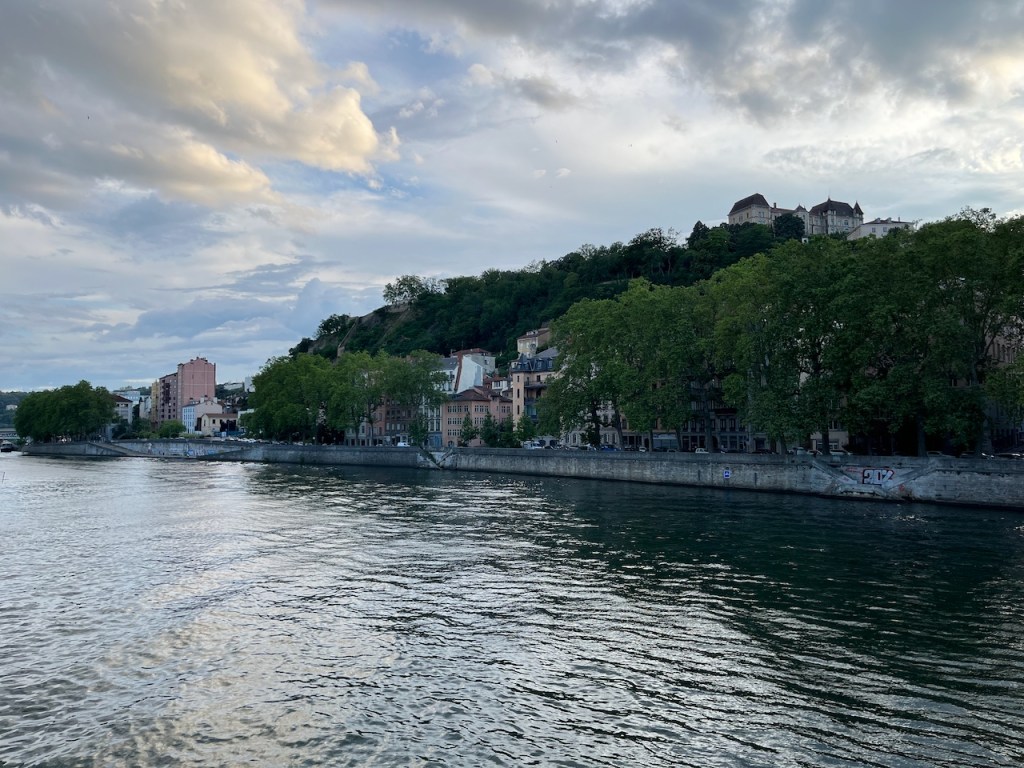
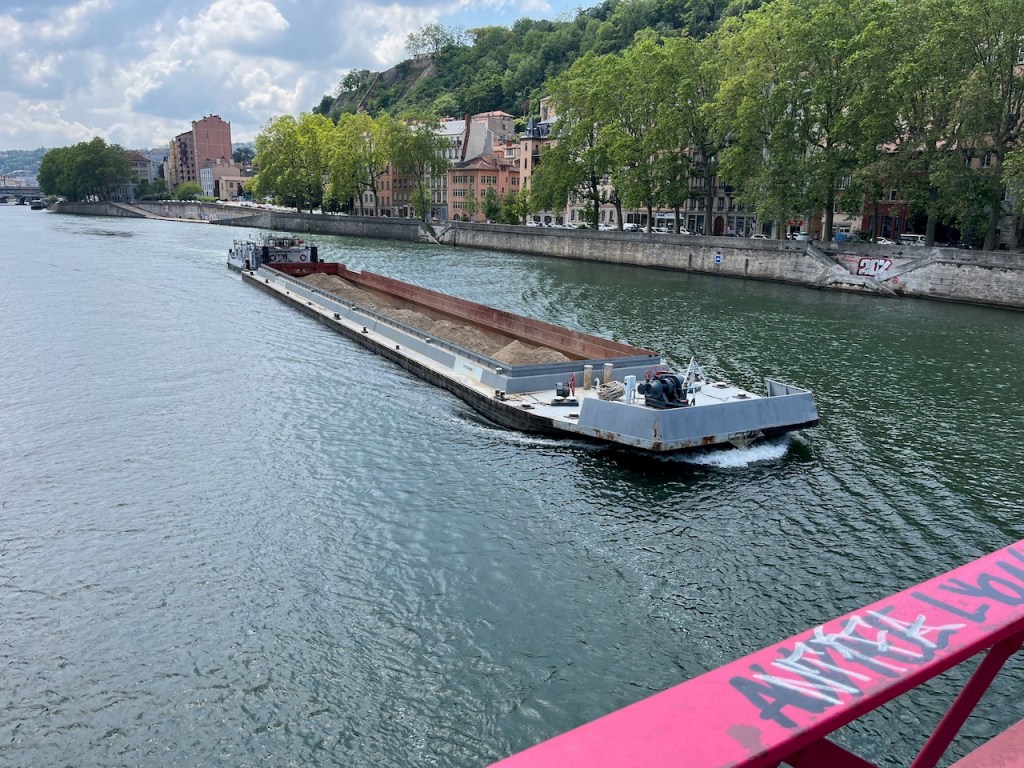
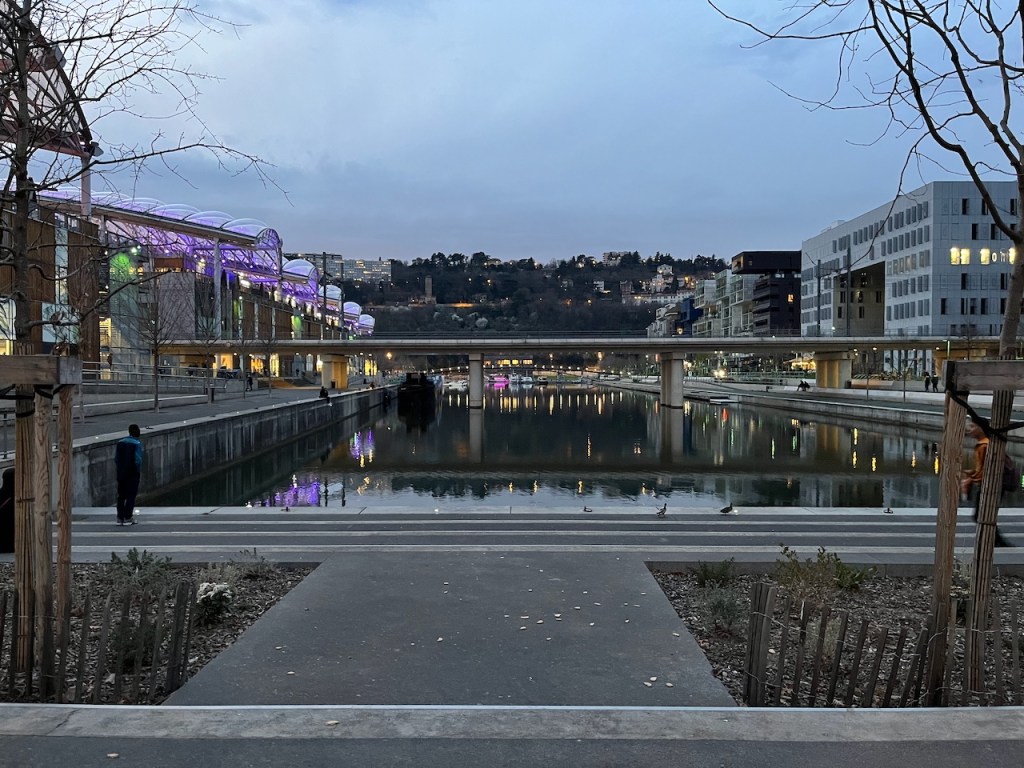
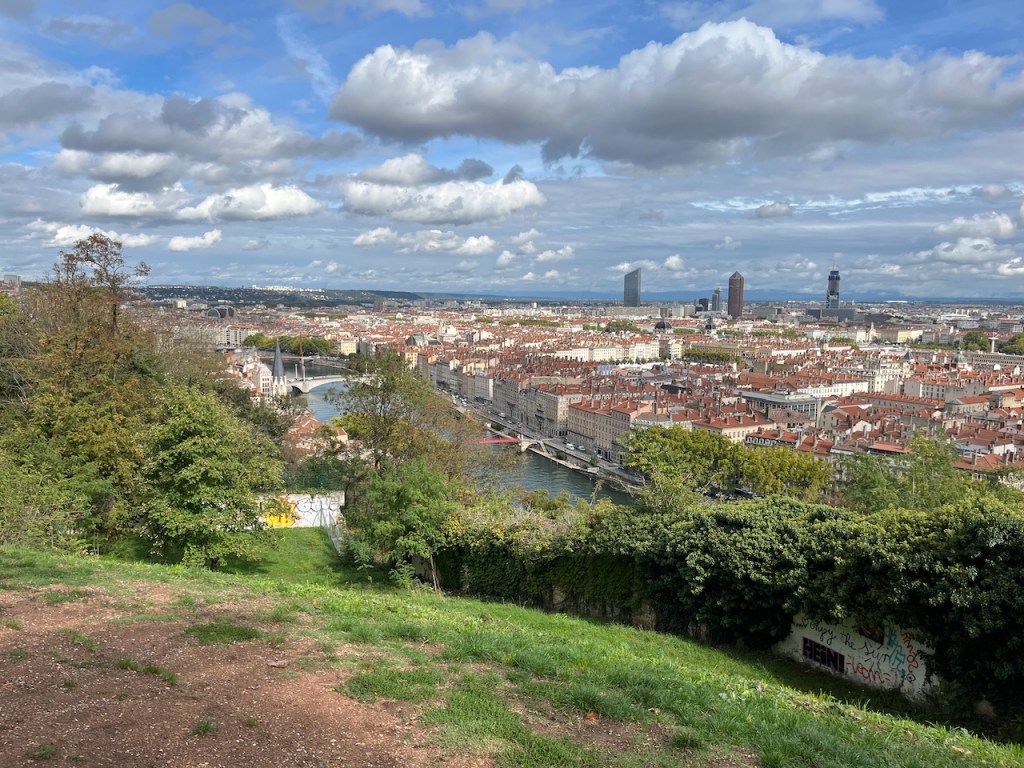
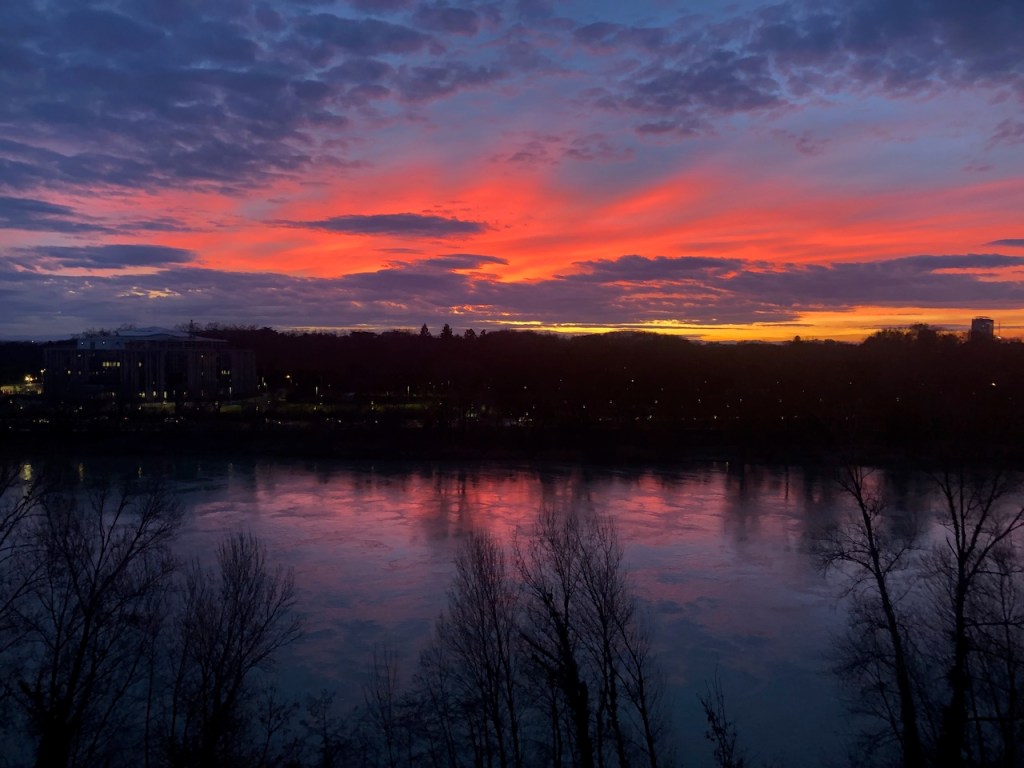
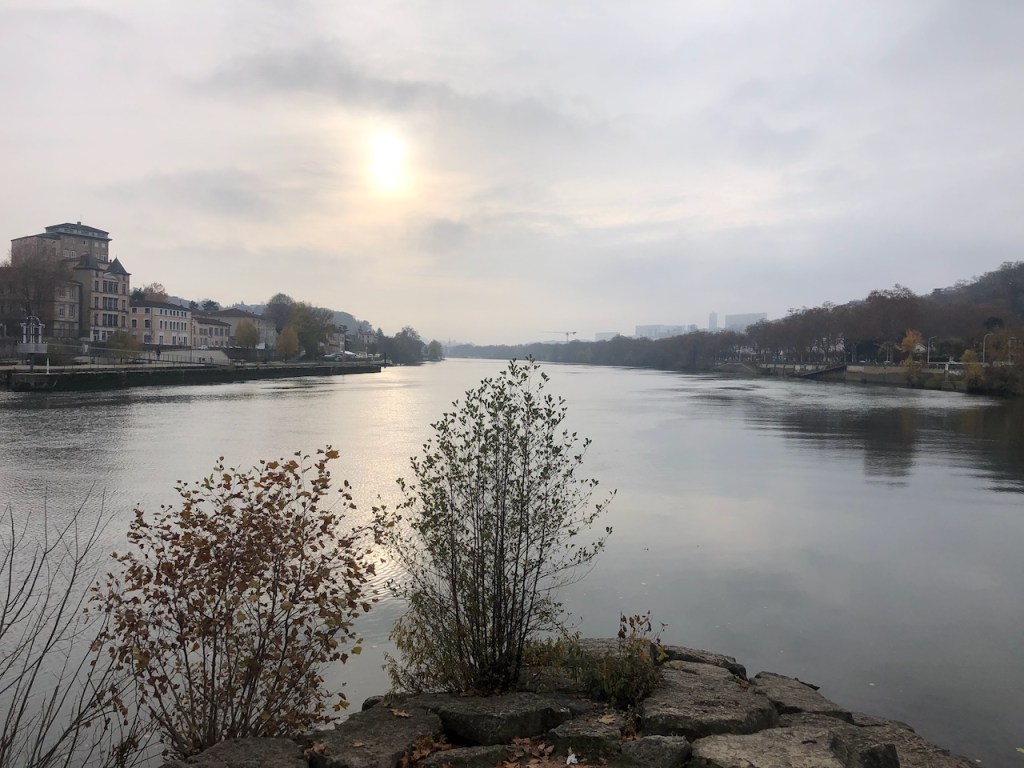
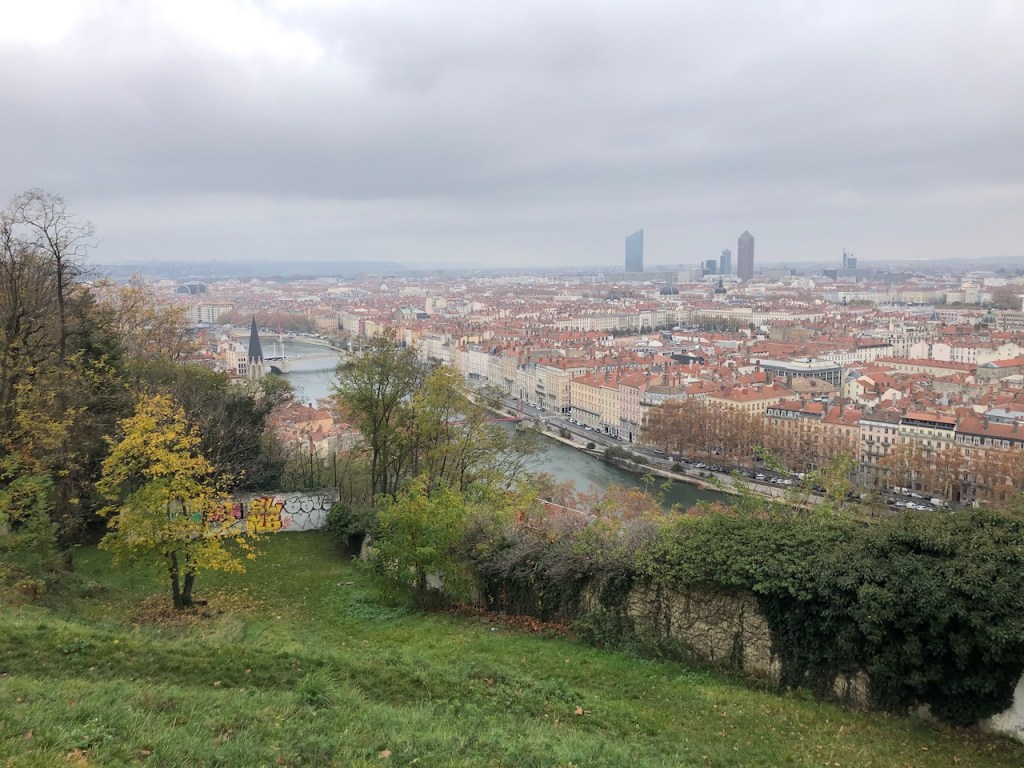
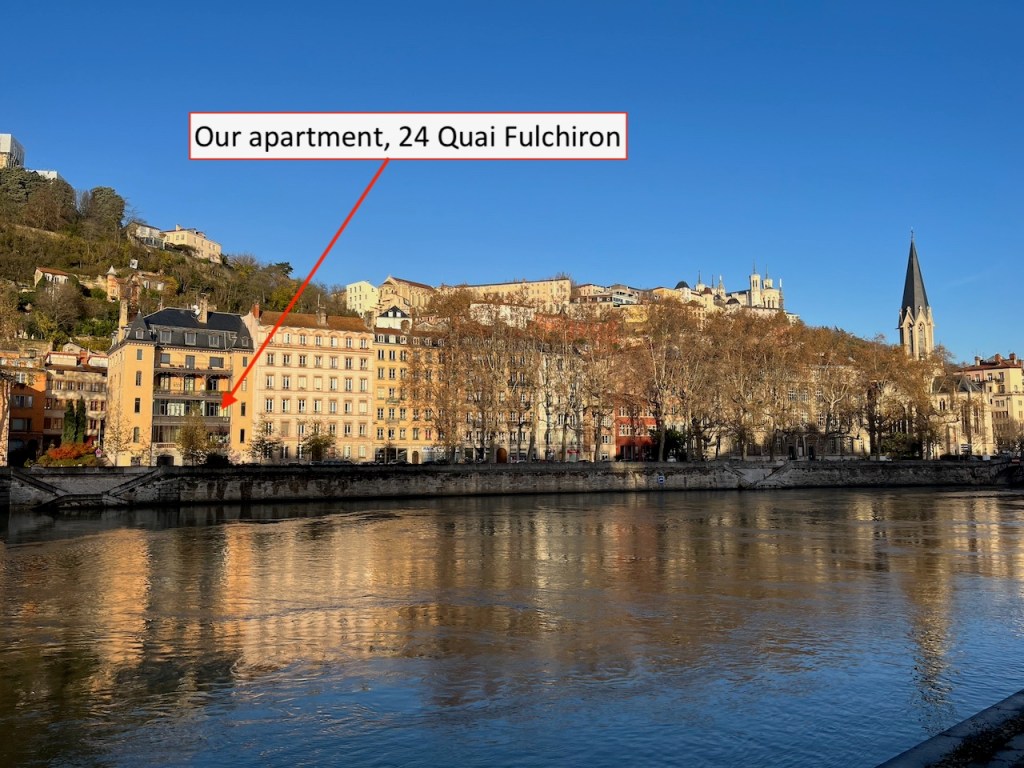
During our nearly three years here, we have had the great good fortune to have lived in two different apartments overlooking Lyon’s beautiful rivers — the Rhône and the Saône. Our first apartment was situated on the right (west) bank of the Rhône, and our current apartment is on the right (west) bank of the Saône. Both apartments face east over the rivers, and we never tire of the view.
For those of you who share my nerdy tendencies, here are a few facts:
1. There are two words for “river” in French: “un fleuve” (masculine) from Latin fluvius and “une rivière” (feminine) from Latin riparia. The difference has nothing to do with the size. “Un fleuve” is a river that terminates in an ocean or sea, whereas “une rivière” terminates in another river. Thus the Rhône, which drains into the Mediterranean, is “un fleuve”. The Saône, which flows into the Rhône, is “une rivière”.
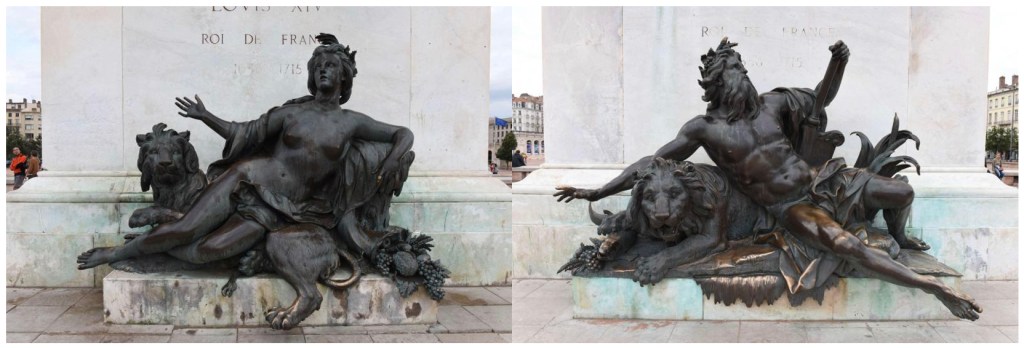
Note the lions, the symbol of Lyon. They are currently in the Musée des Beaux-Arts de Lyon.
Photos: Muriel Chaulet
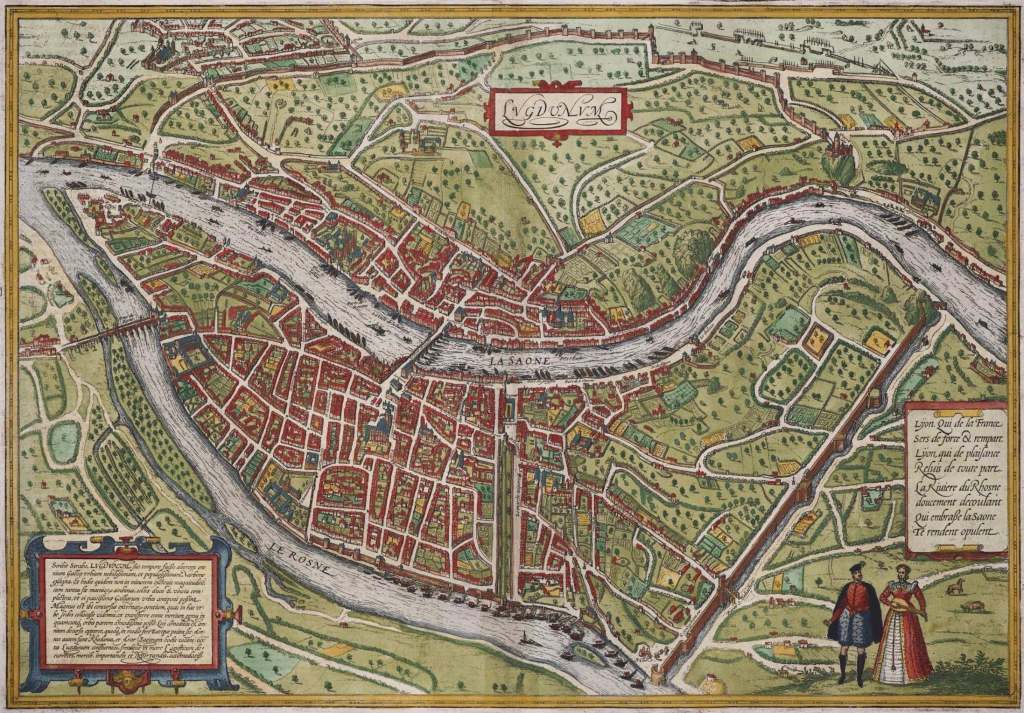
2. In French, the presence of a circumflex (ˆ) over a letter often indicates that the letter used to be followed by the letter ‘s’. On old maps, “Rhône” was written (and pronounced) “Rosne”. “Saône” comes from the Celtic/Gaulish river goddess “Souconna”.2
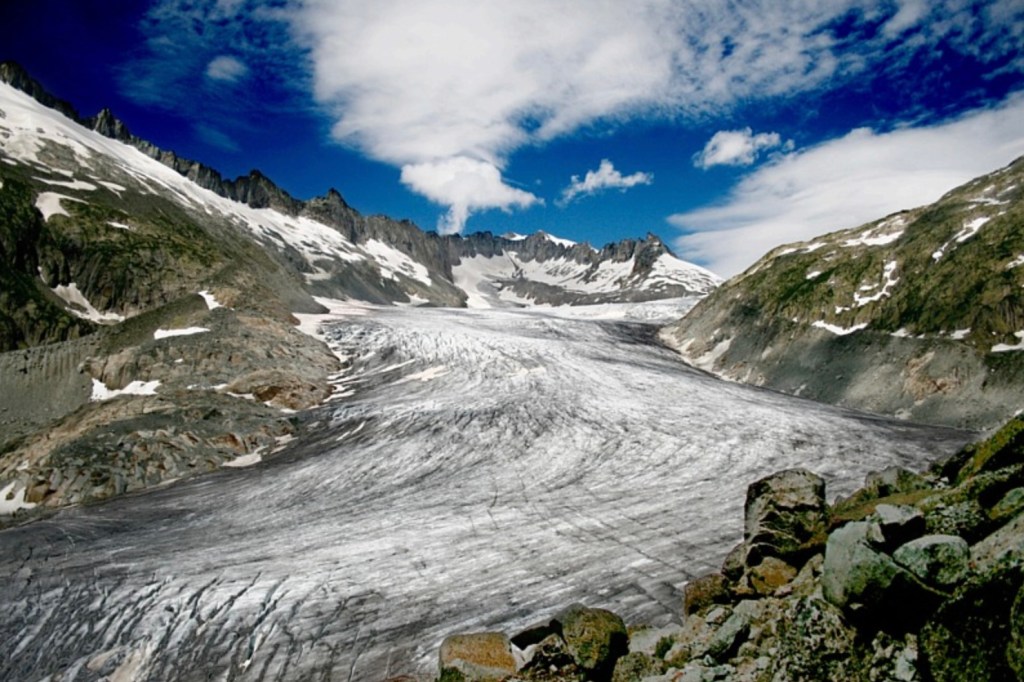
3. The Rhône begins its life in the Alps. Its source is the Rhône Glacier, in the center of Switzerland, from where it flows west into Lake Geneva (also known as Lac Léman) then southwest to Lyon, then south through the Rhône Valley where it discharges into the Mediterranean through the Camargue Delta.
4. The Saône gets its start in the Vosges mountains near Strasbourg, from where it flows south through Burgundy till it joins the Rhône at the southern end of the City of Lyon.
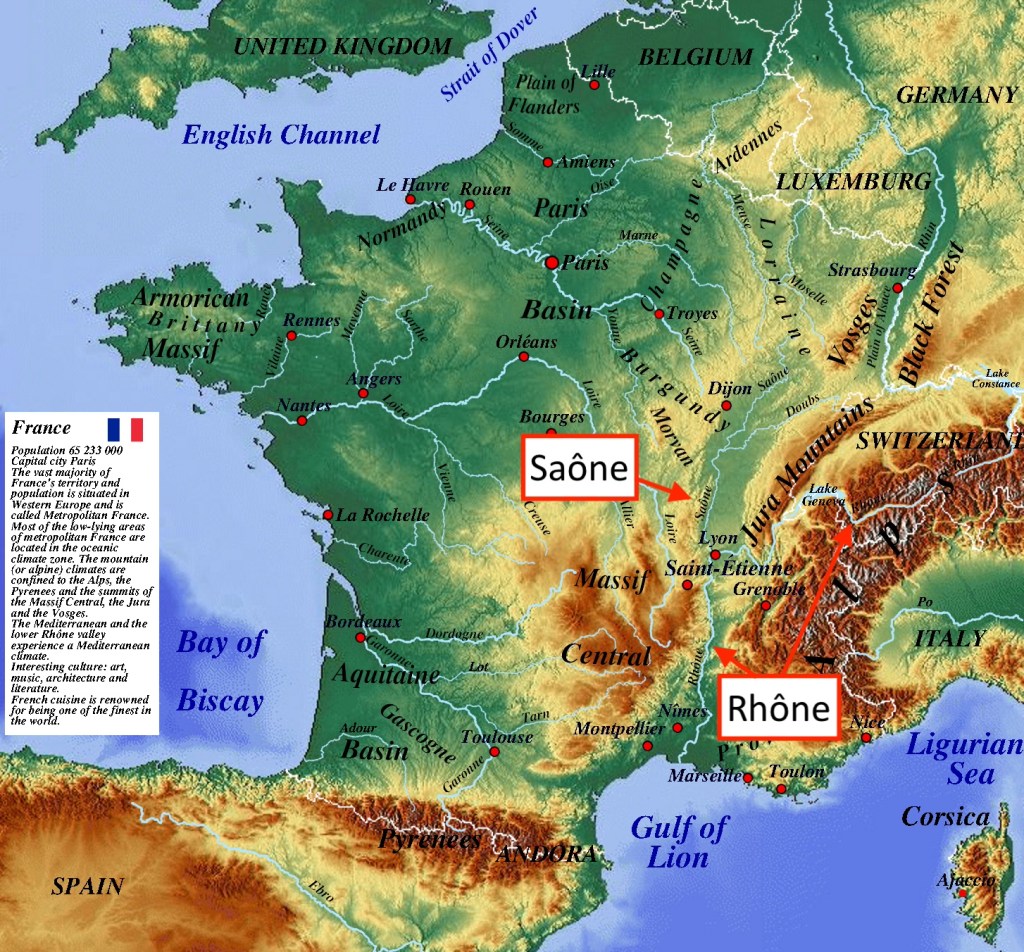
5. The Rhône, with an average flow of 1,710 m3/s (60,000 ft3/s), is France’s largest river. The Saône, with an average flow of 410 m3/s (14,000 ft3/s), is in 6th place, after the Loire 835.3 m3/s (29,500 ft3/s), Garonne 650 m3/s (23,000 ft3/s), Seine 560 m3/s (20,000 ft3/s), and Dordogne 450 m3/s (16,000 ft3/s). For reference, California’s Sacramento river has an average flow of 796.8 m3/s (28,139 ft3/s). The mighty Mississippi dwarfs them all with an average flow of 16,800 m3/s (593,000 ft3/s).
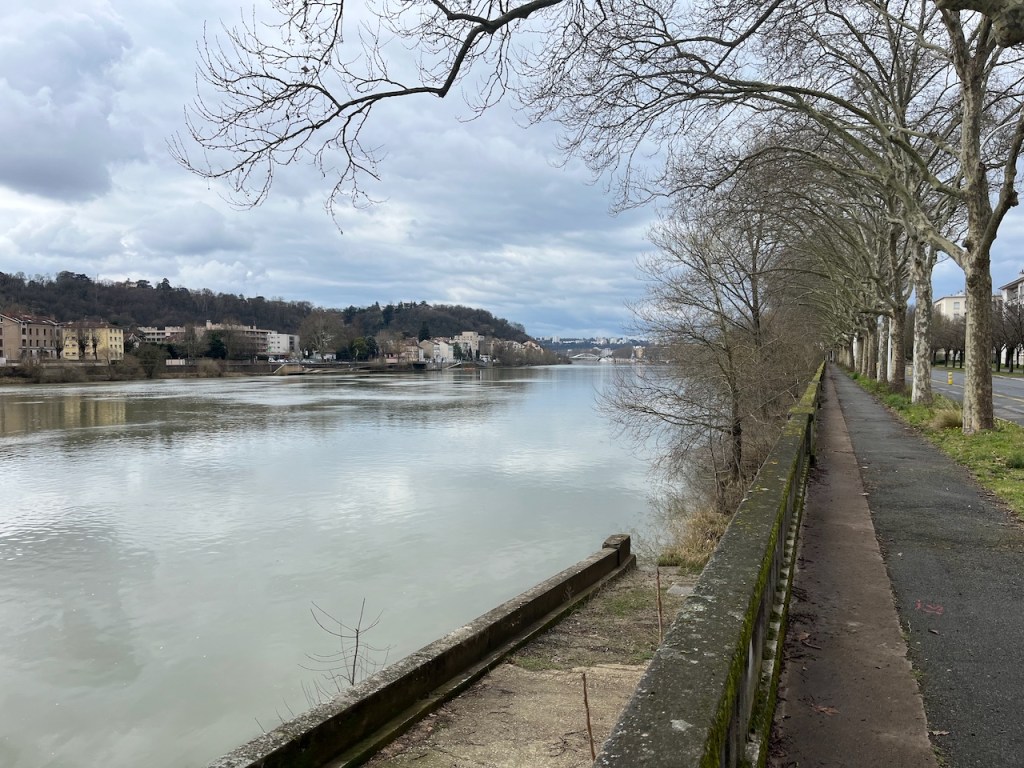
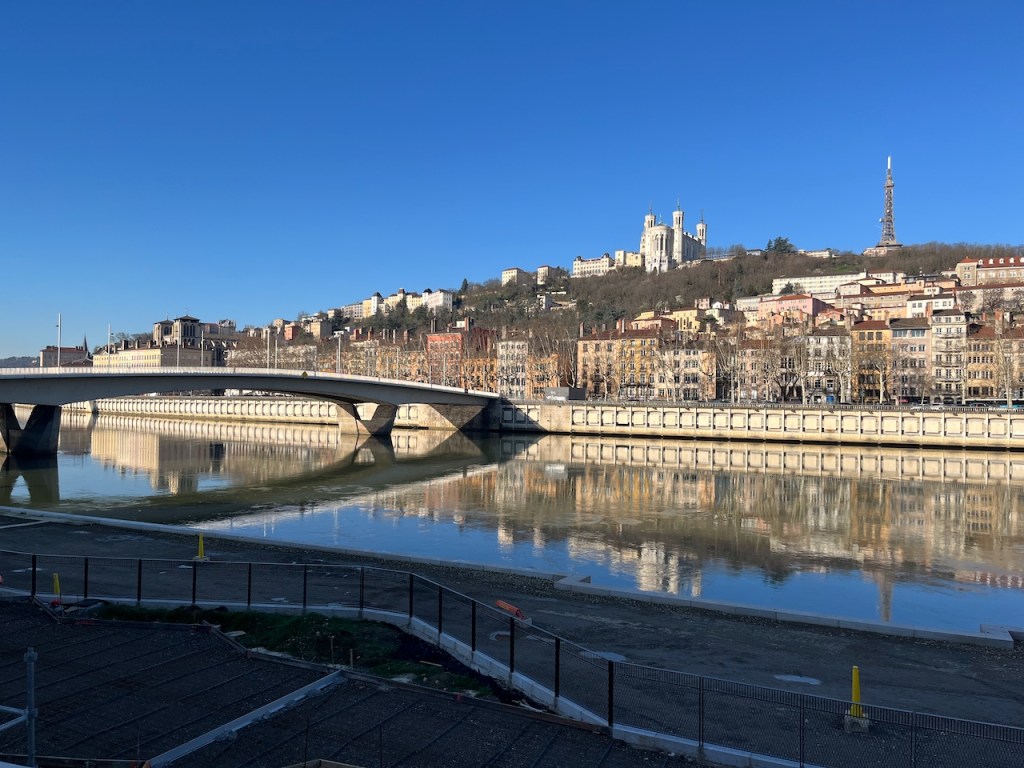
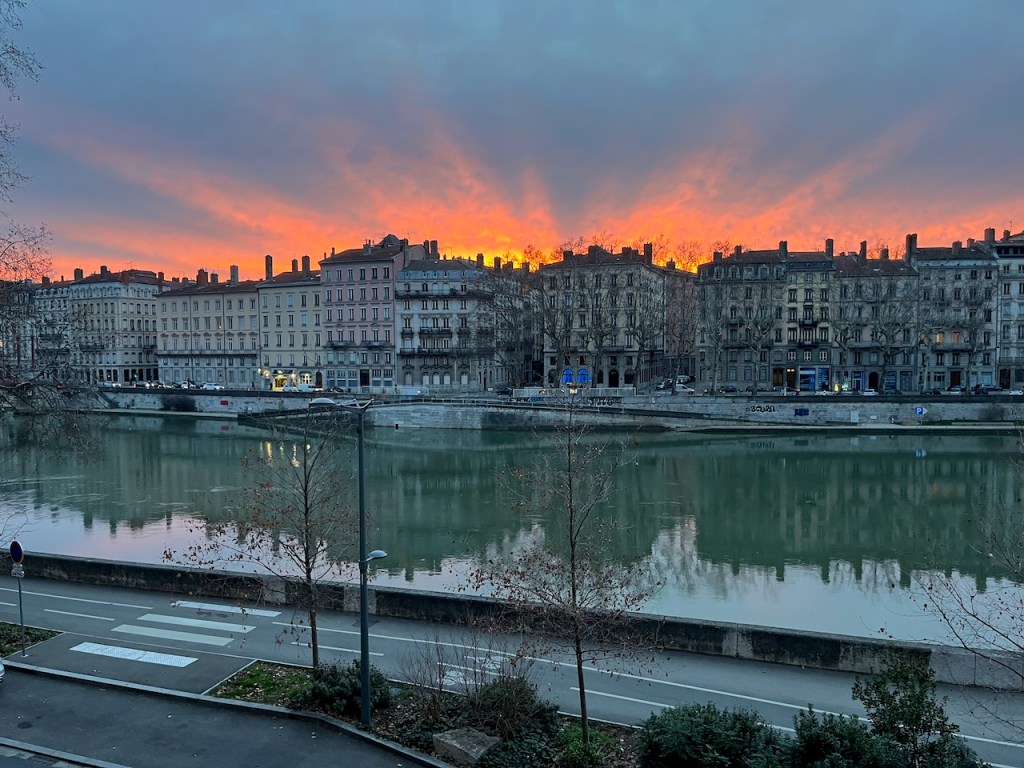
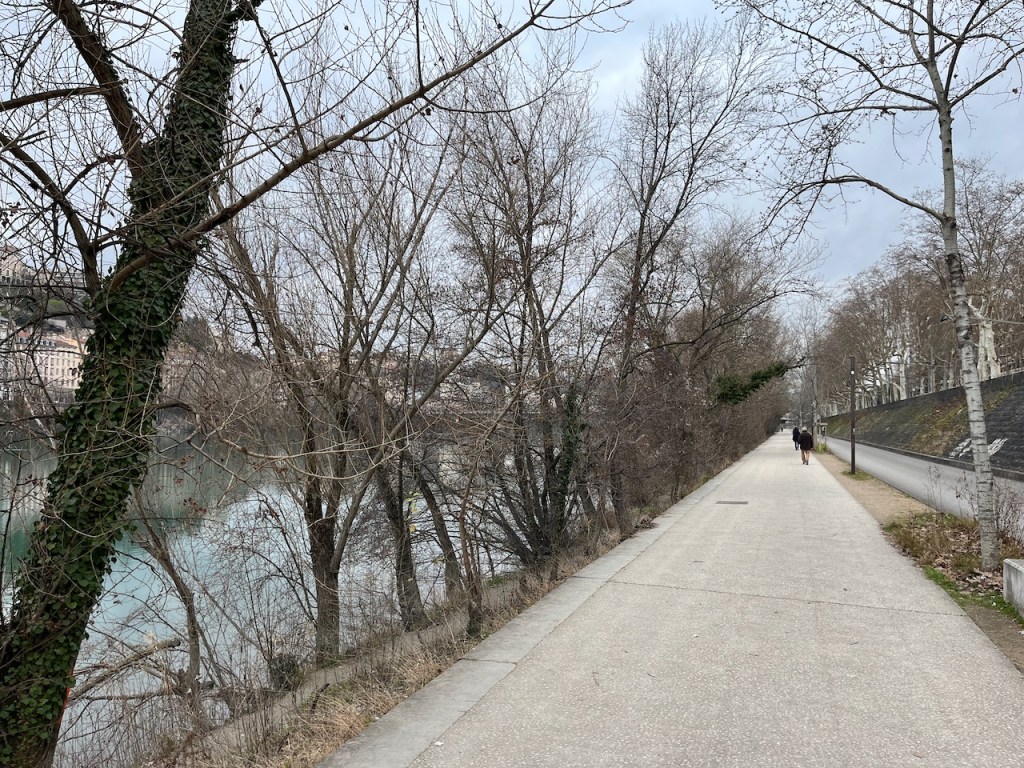
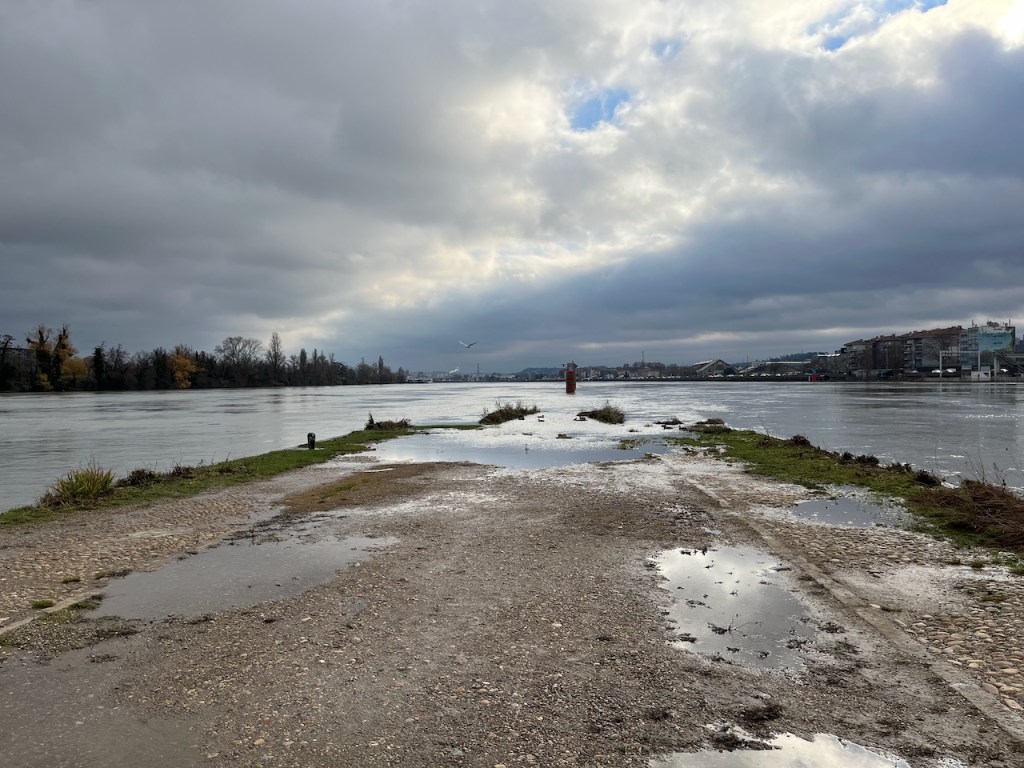
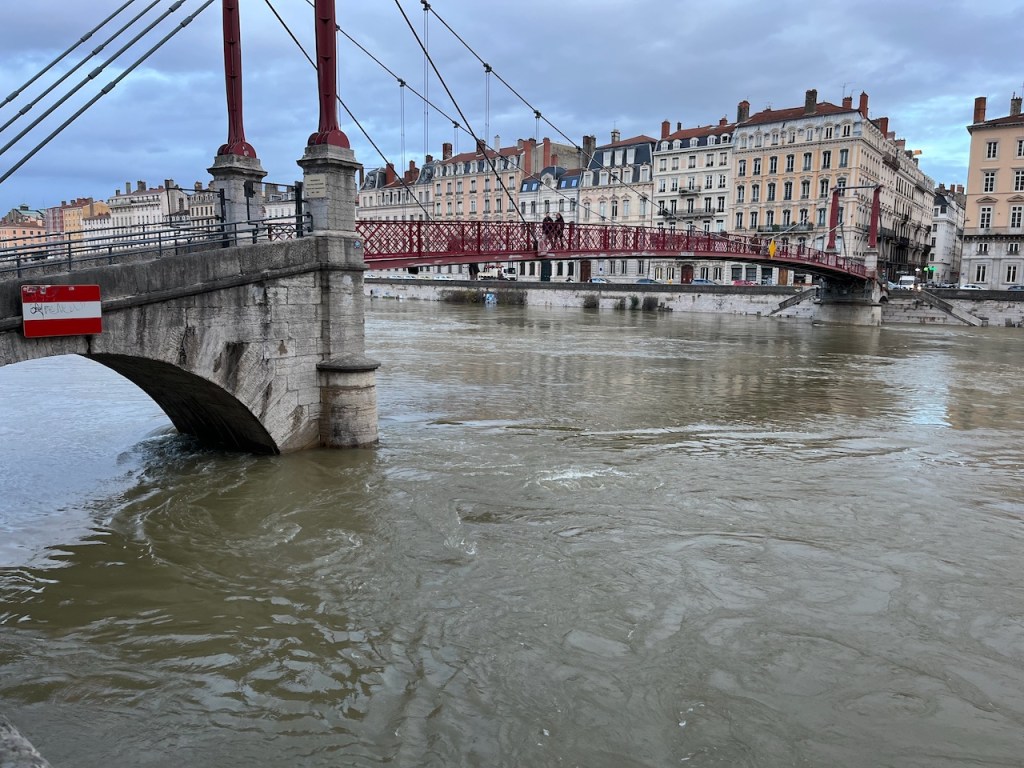
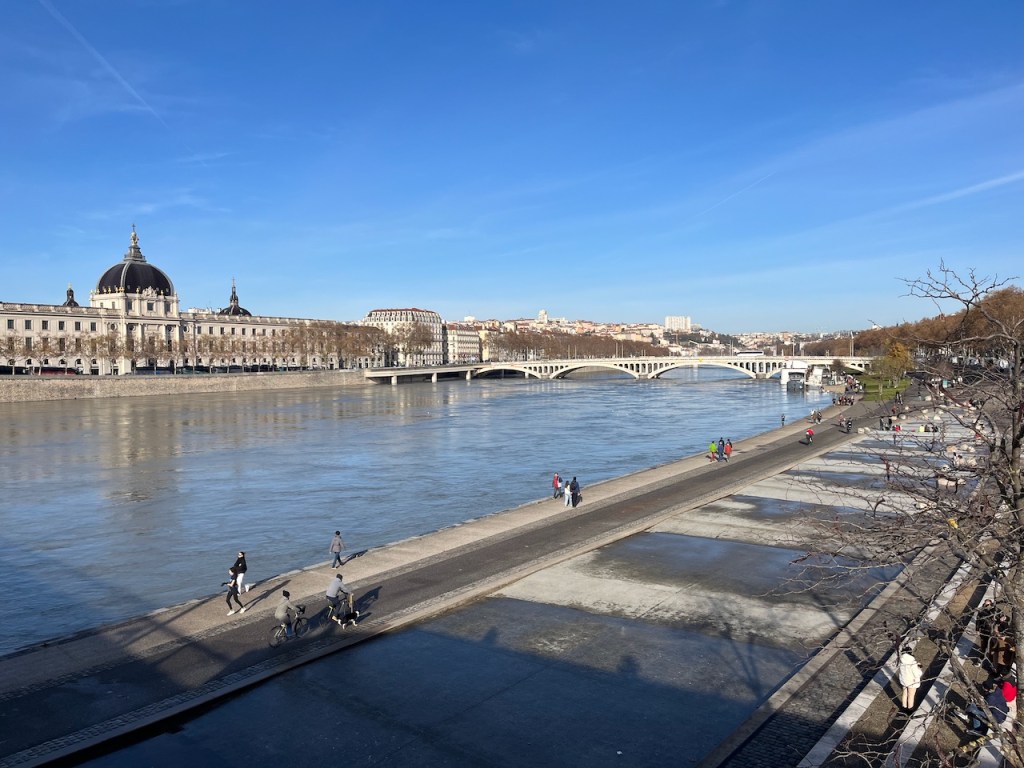
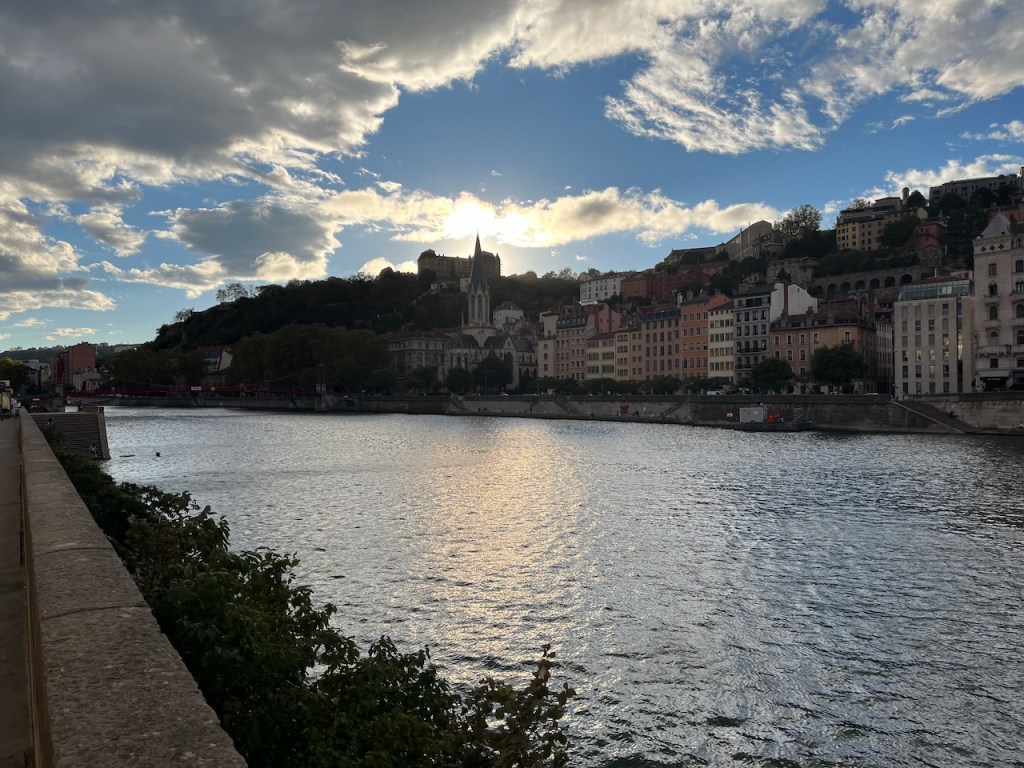
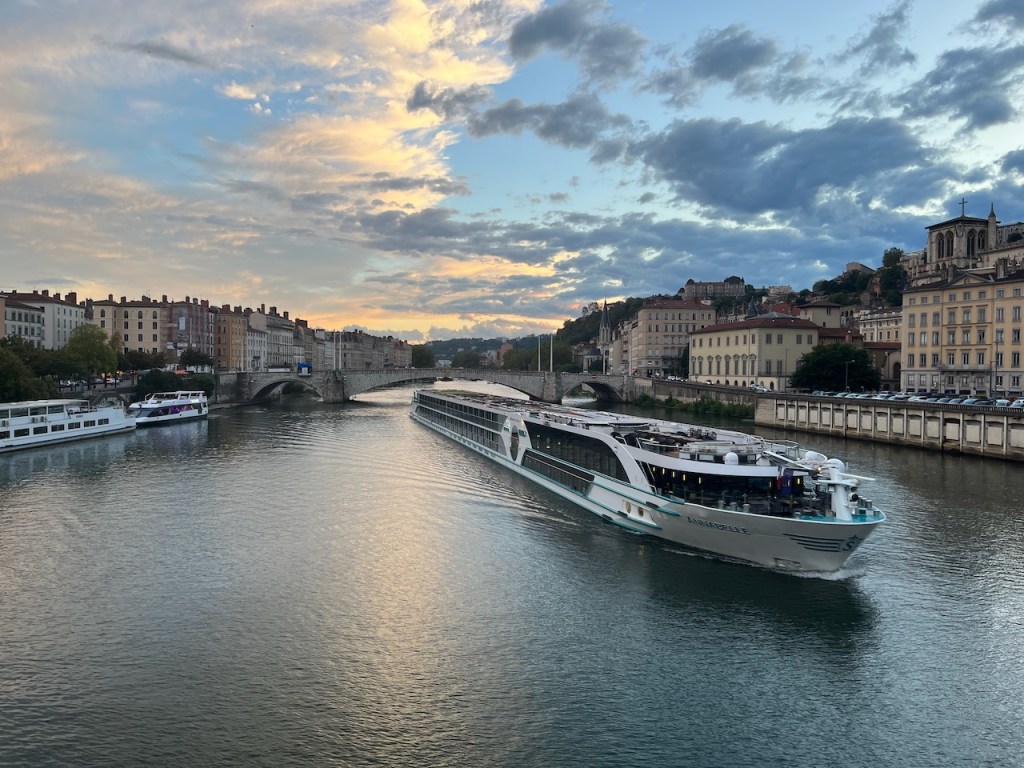
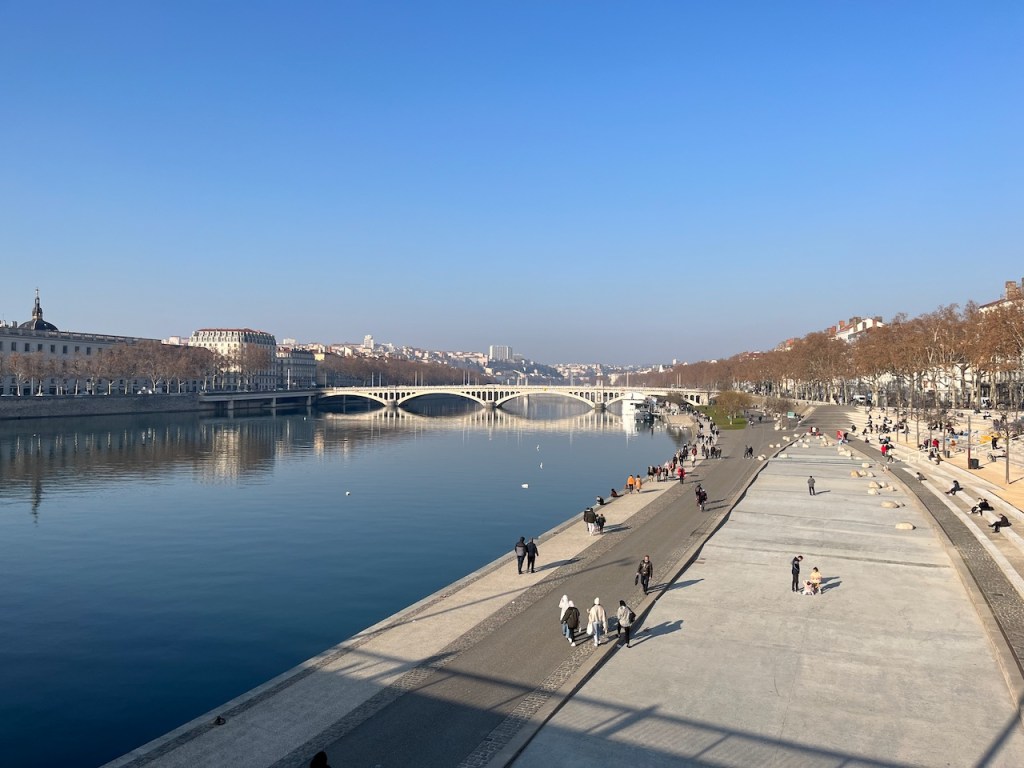
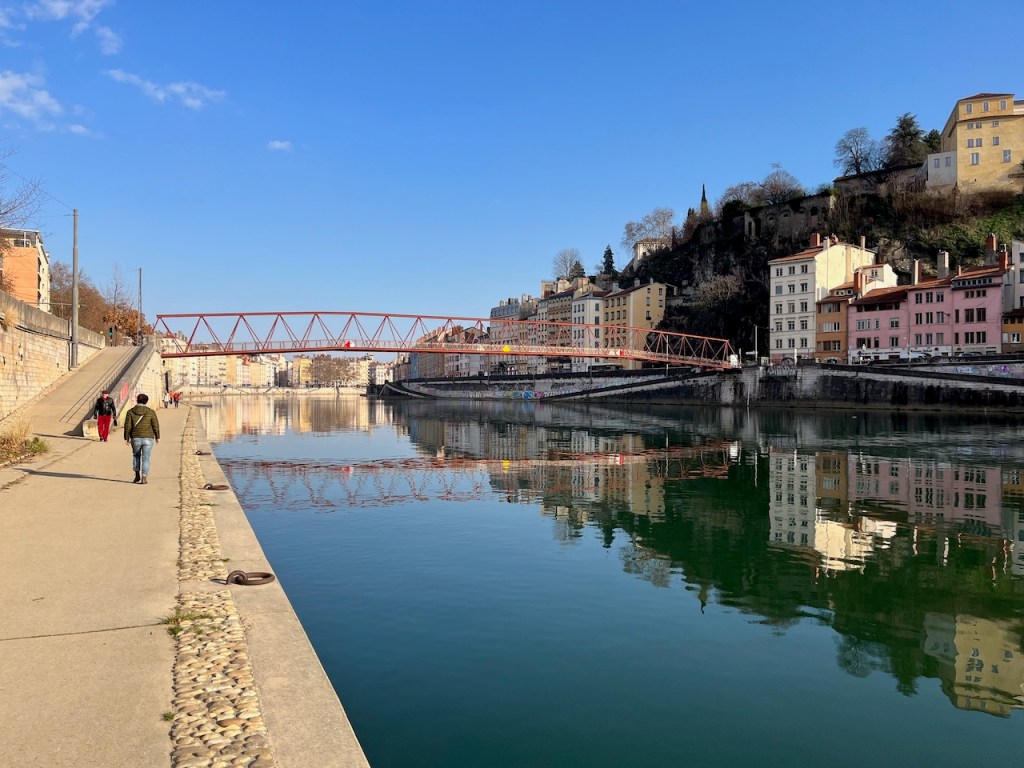
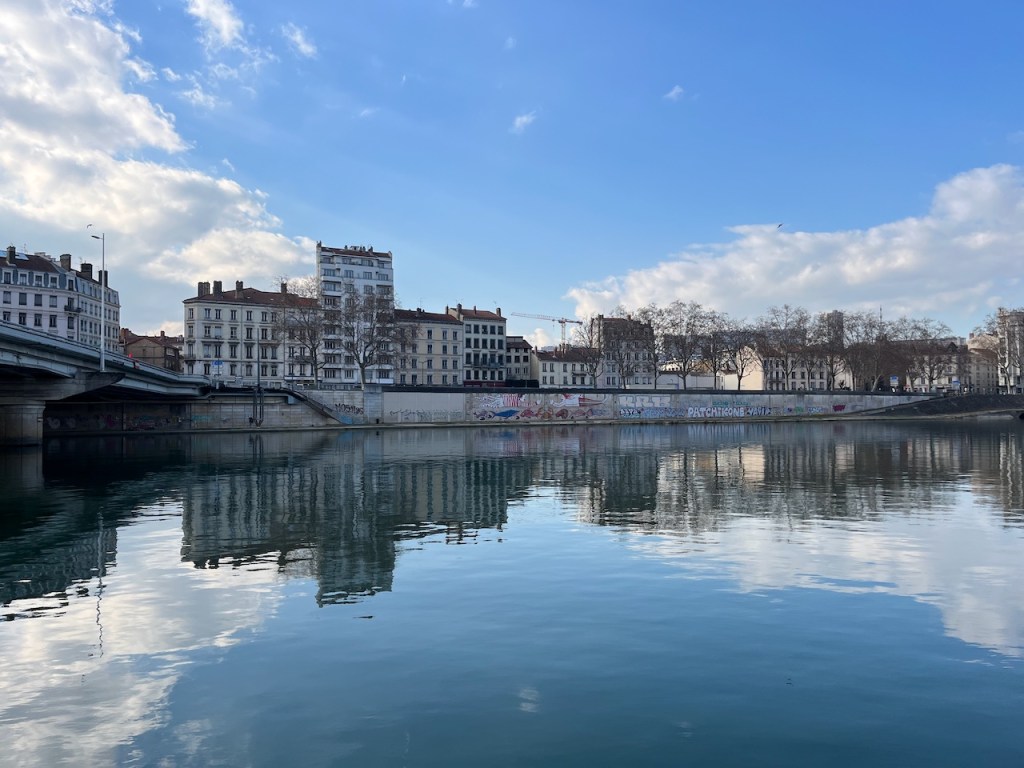
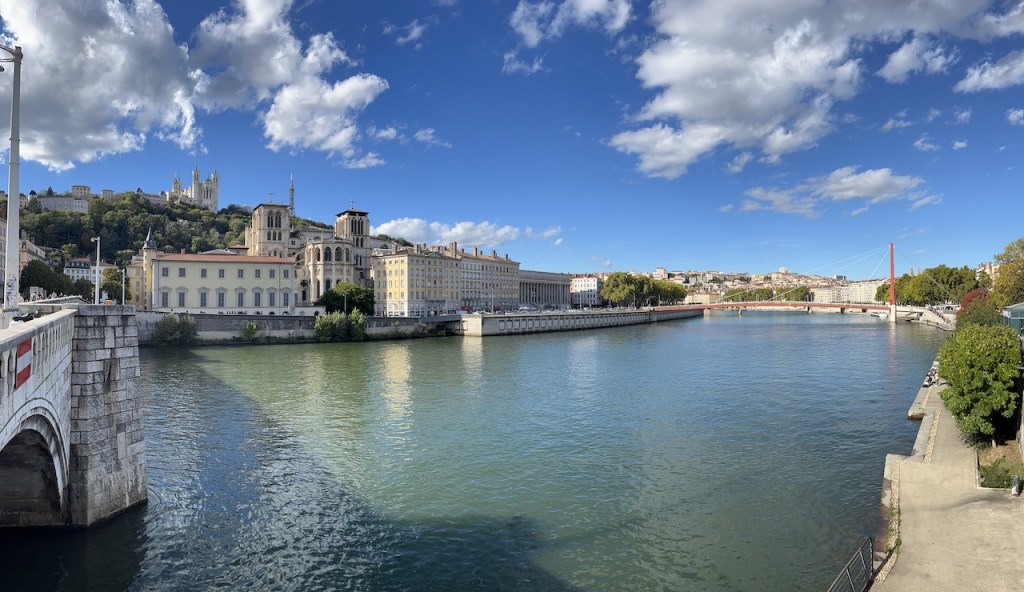
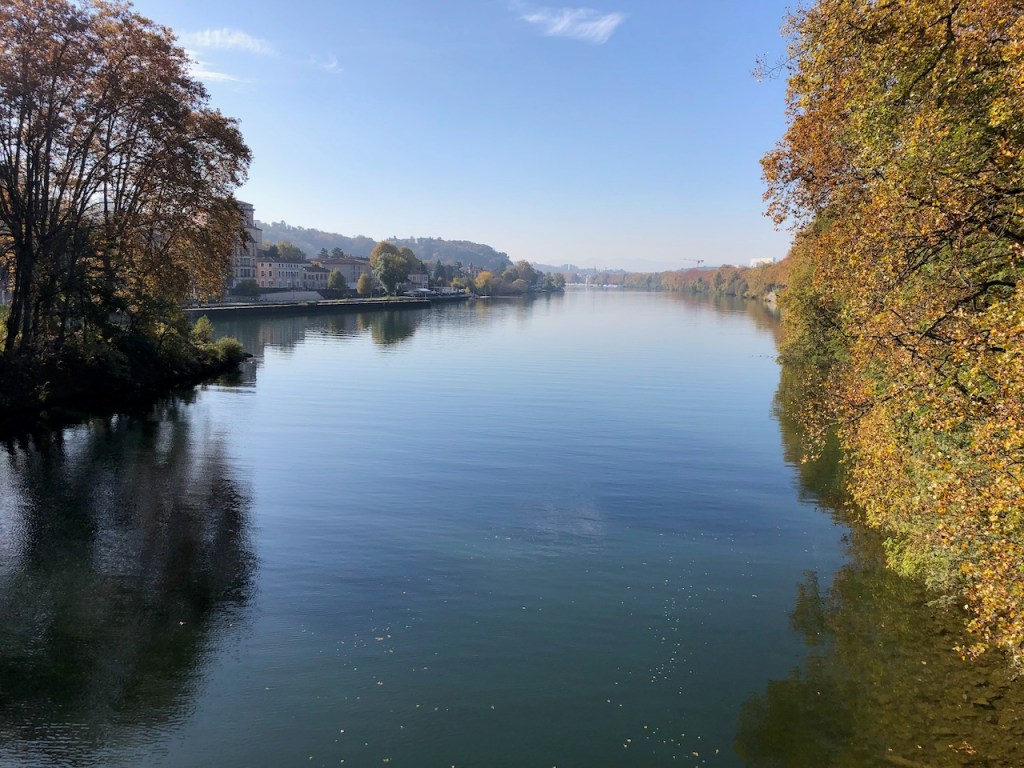
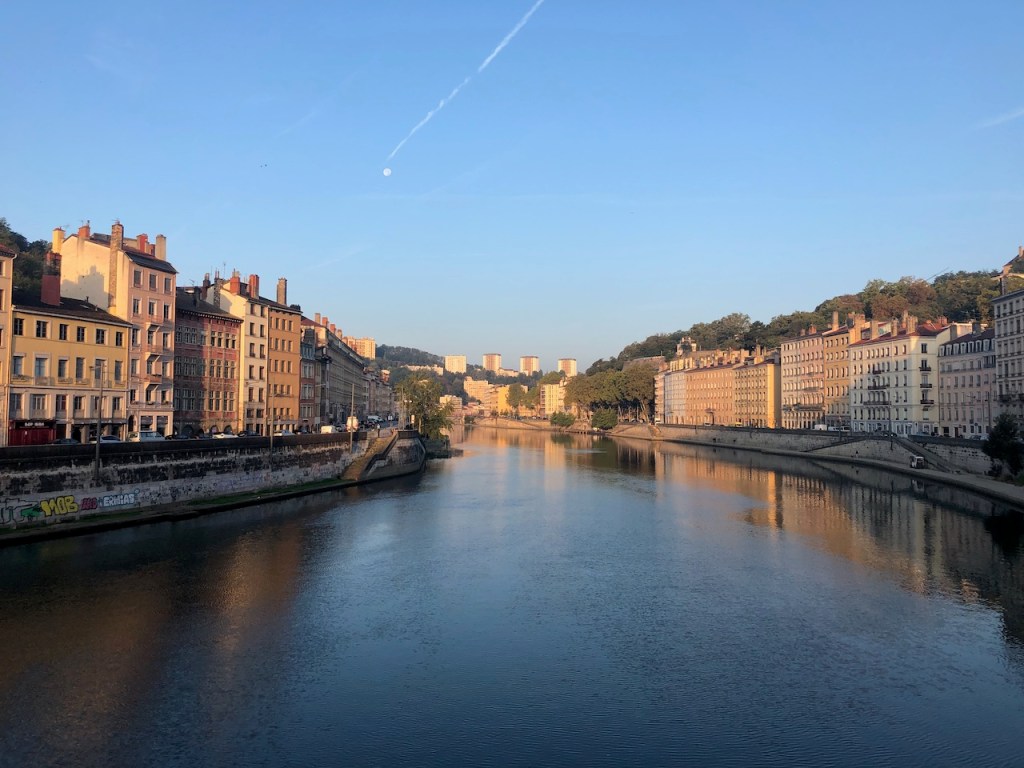
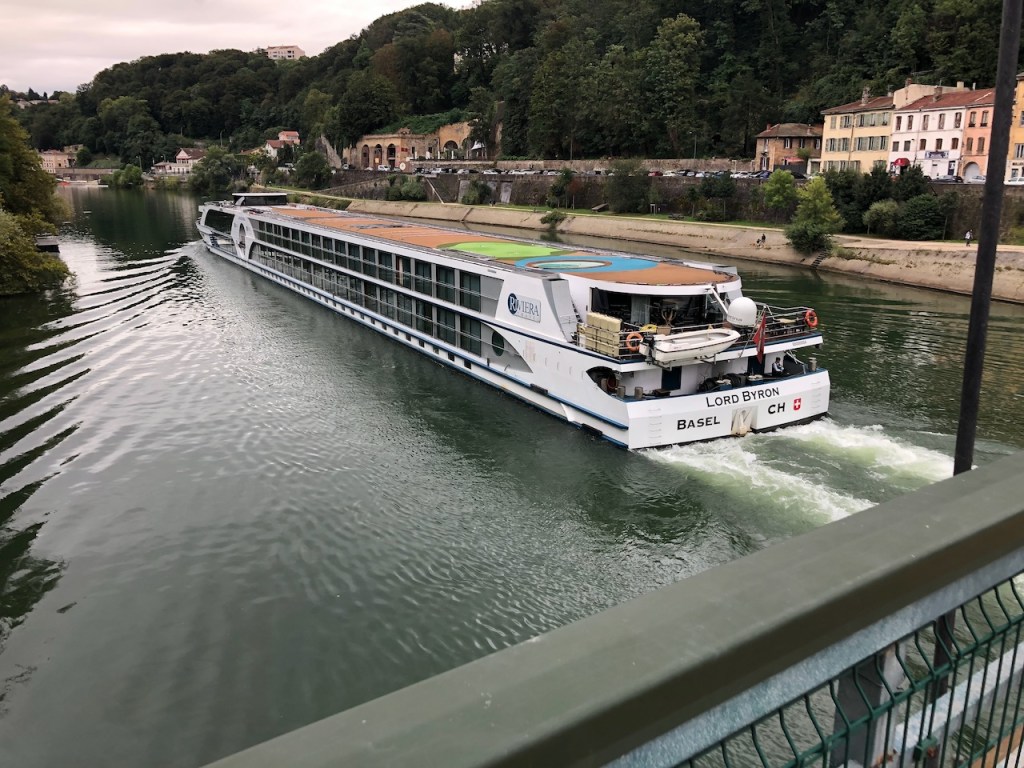
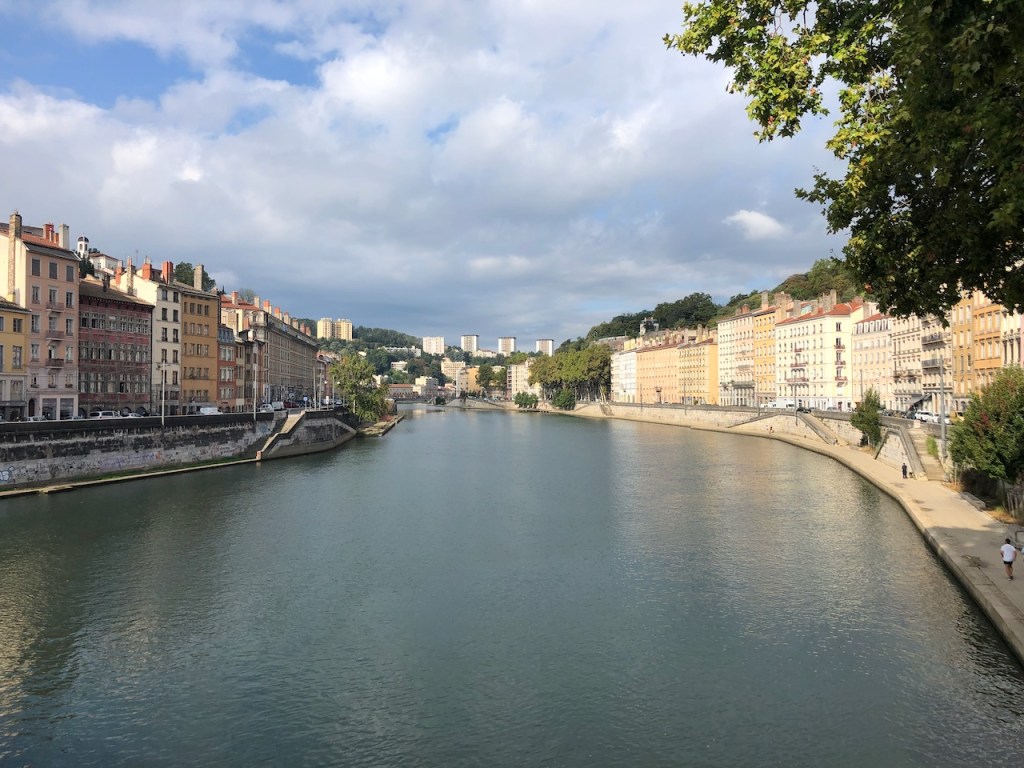
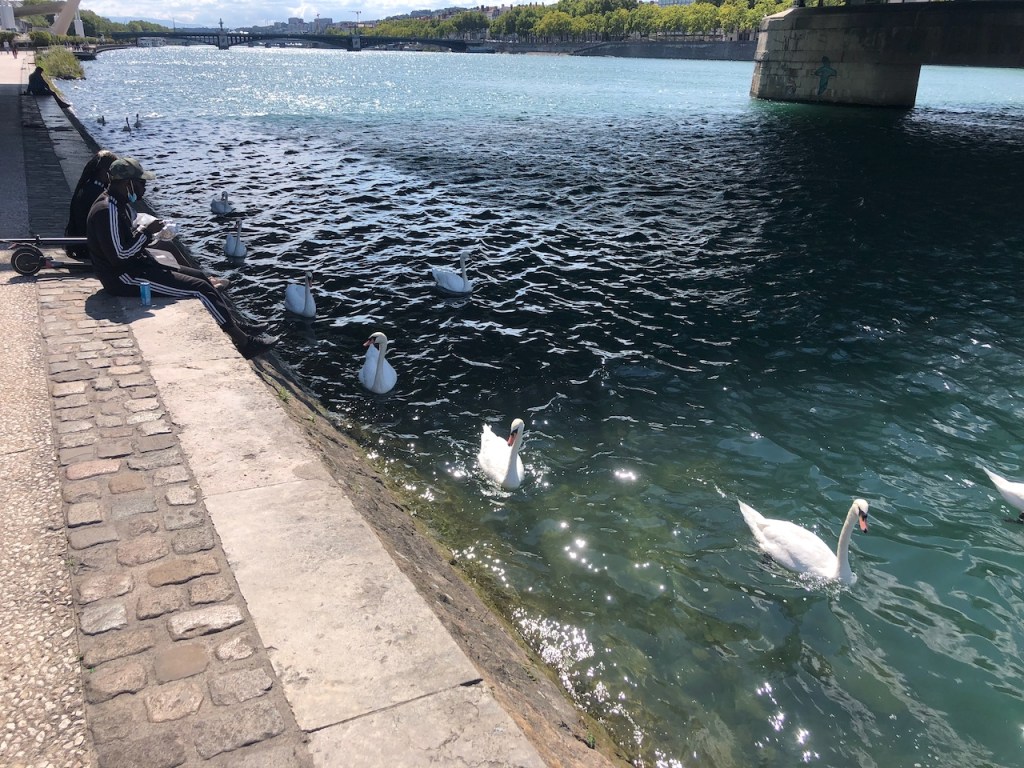
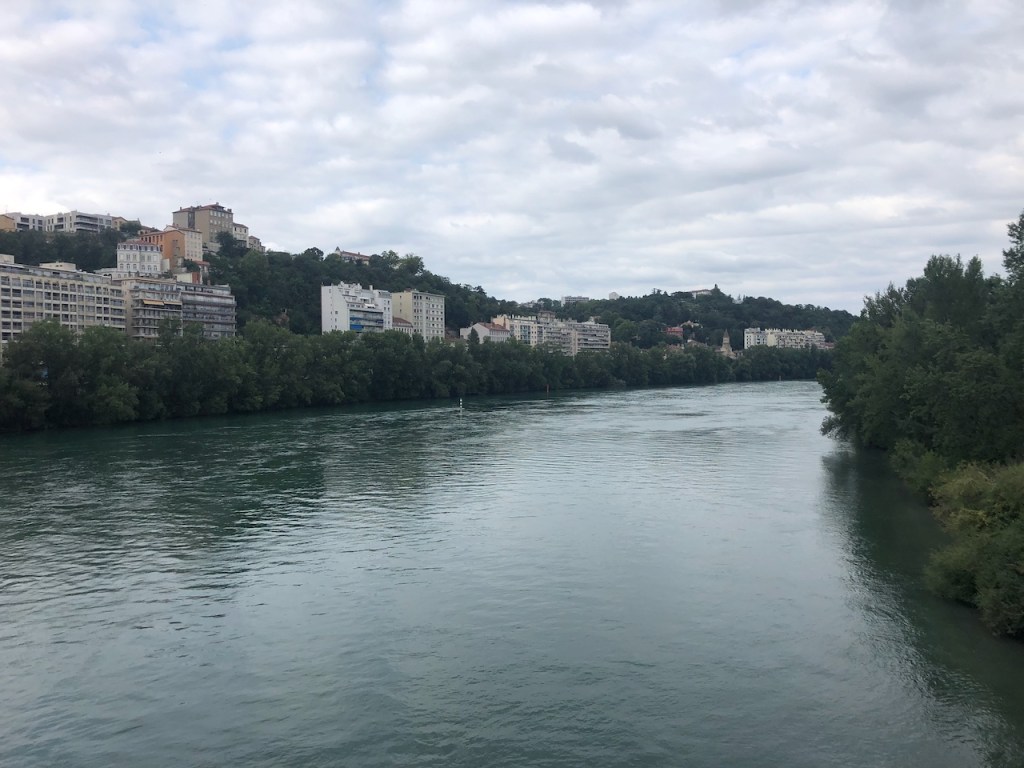
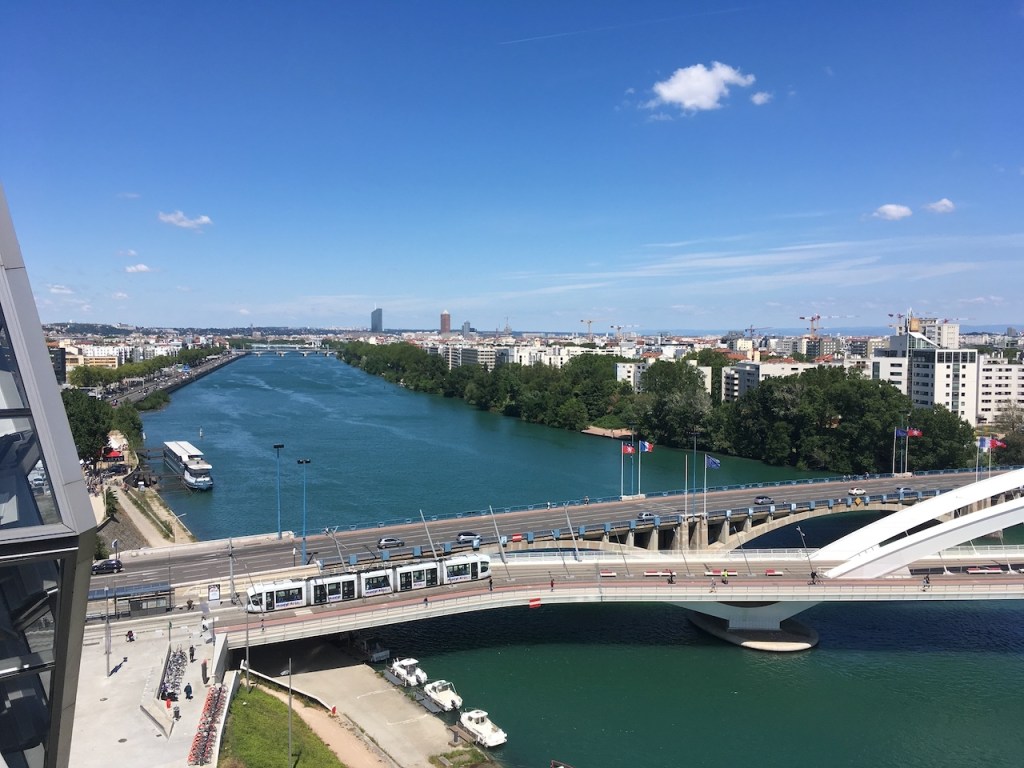
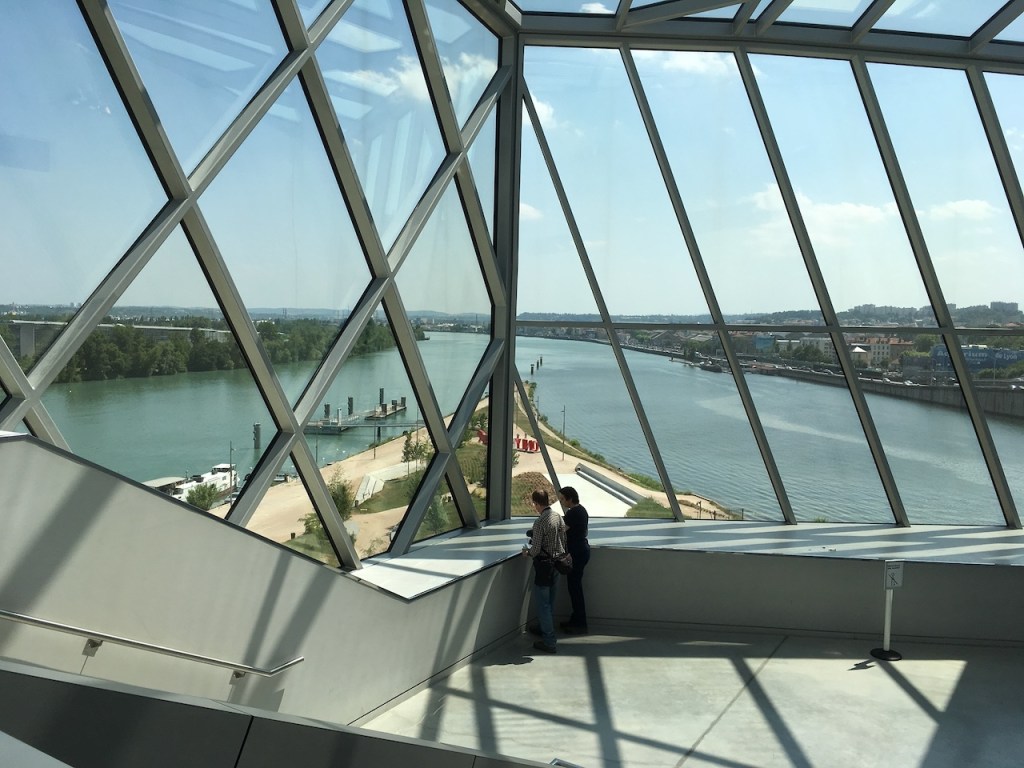
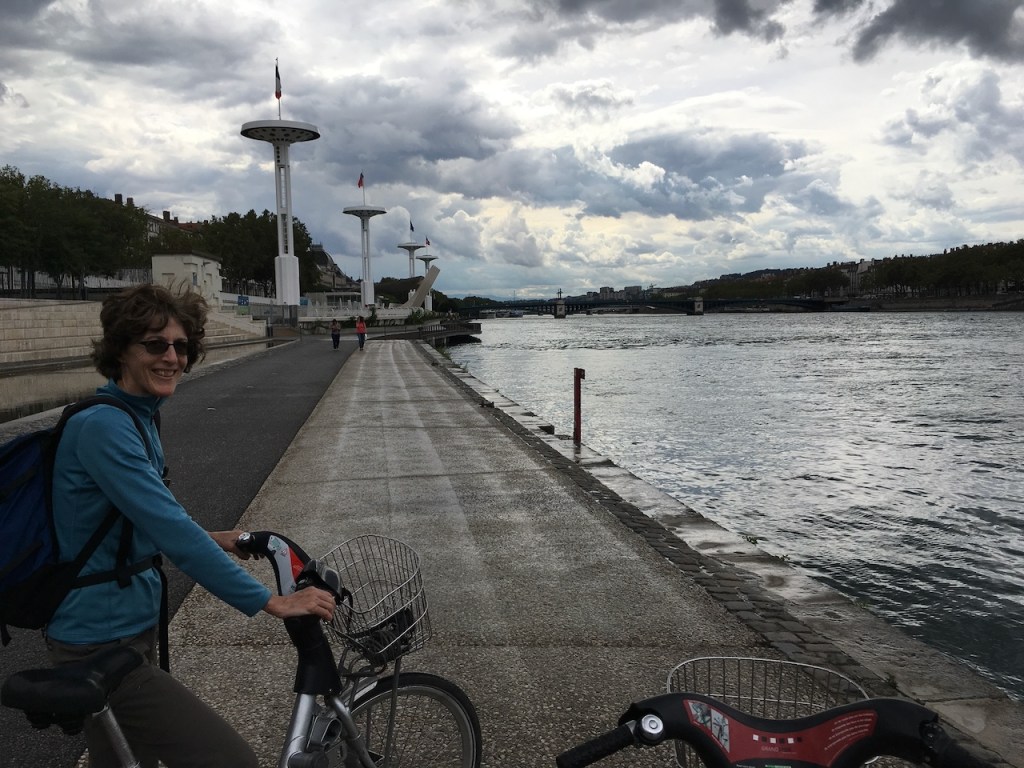
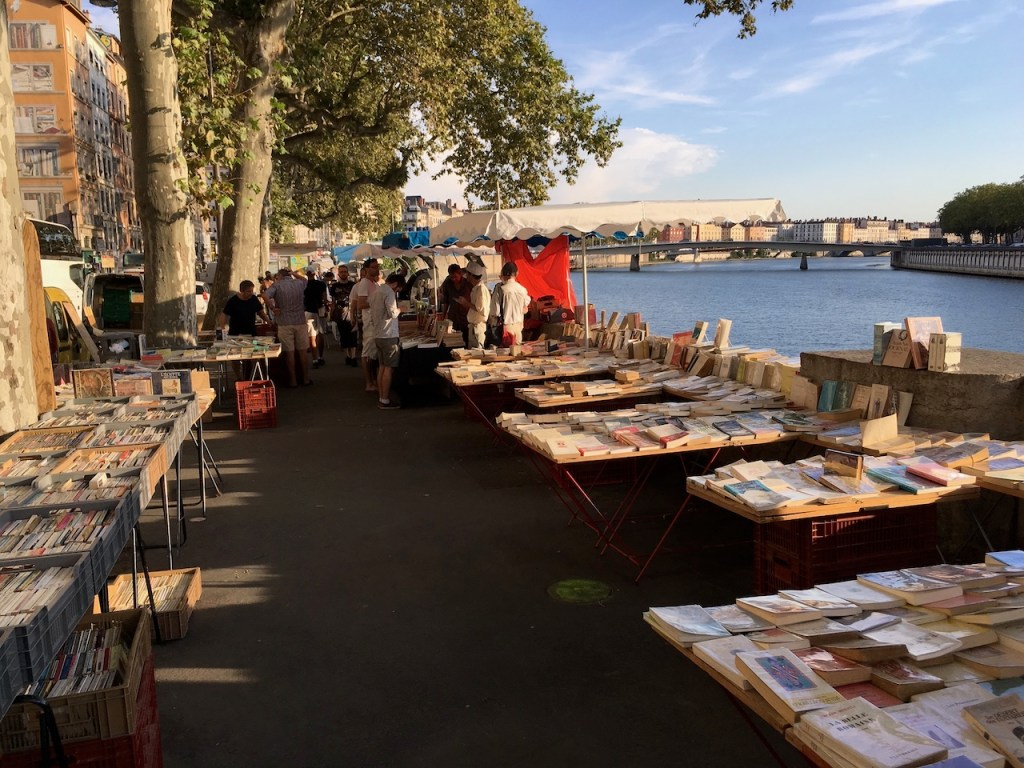
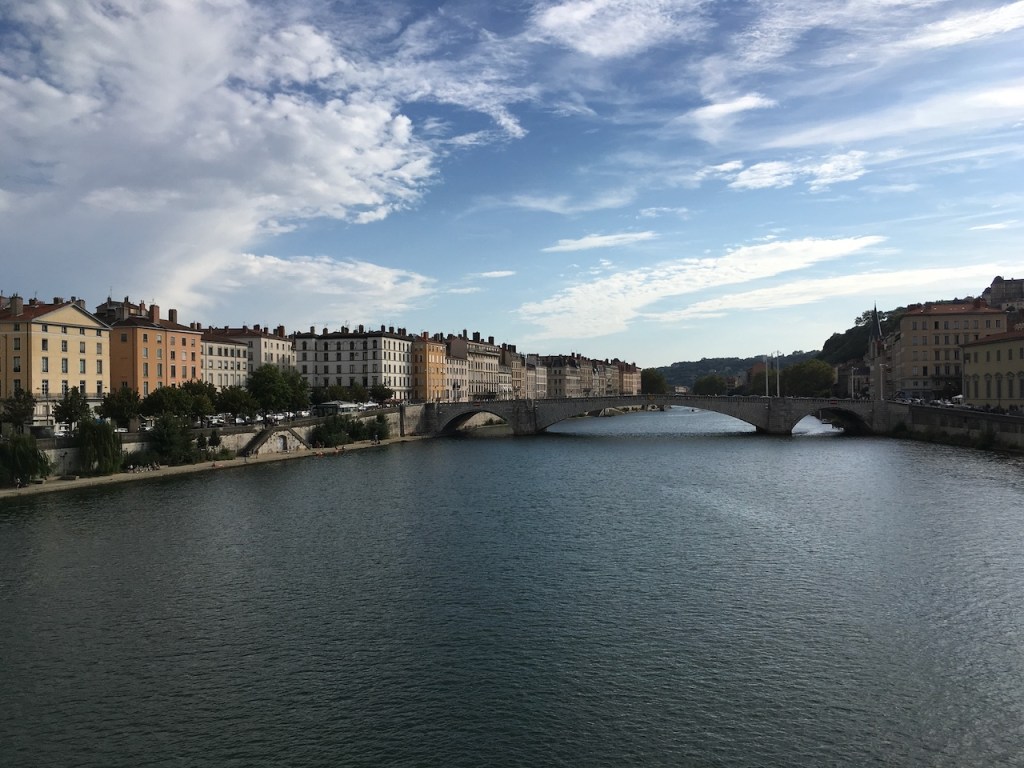
Well, enough gabbing. Here are a few photos:






 Barbara and Joe Abroad